

Matthew LaGanke: Dedicated to transforming shellfish aquaculture
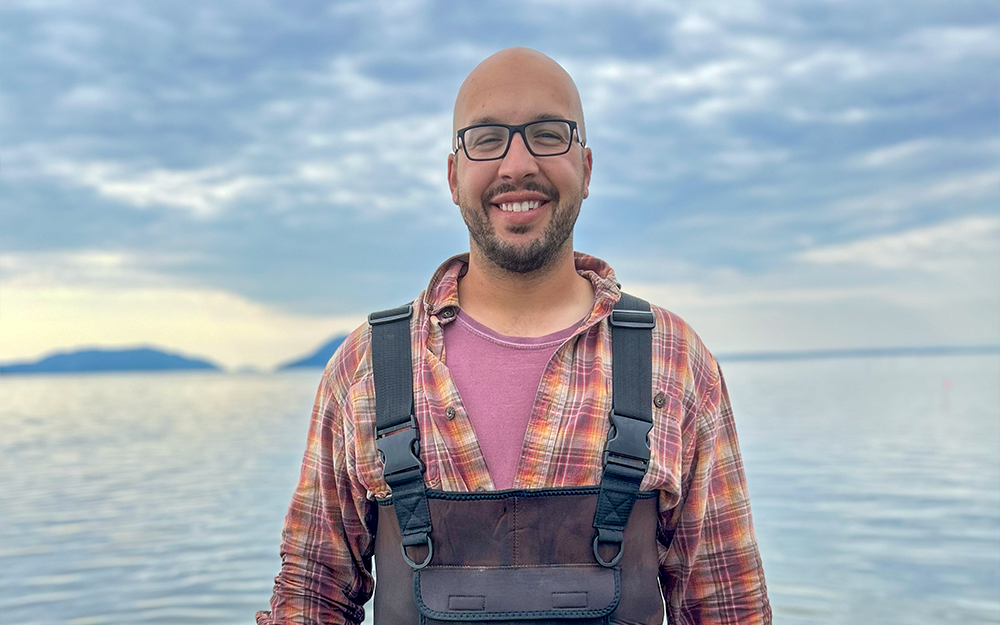 When he saw a local oyster population collapse as a conservation tech, Matthew LaGanke Ph.D. ’26 was motivated to do more and began studying shellfish aquaculture under Professor Bill Walton. As one of 17 Ph.D. students graduating from William & Mary’s Batten School & VIMS in 2026, he has worked with aquaculture farmers around the country and explored how to improve inventory management at-scale. LaGanke, who will complete his graduate studies in August, found that being in the first cohort with the opportunity to concentrate in shellfish aquaculture was life-changing.
Here’s what LaGanke had to say about his time at the Batten School of Coastal & Marine Sciences & VIMS:
On choosing the Batten School & VIMS:
I grew up snorkeling every summer off Cape Cod with my grandfather, so I was pretty set on marine science from an early age. I stuck with it through undergrad, and even studied coral reefs during a study abroad in Australia. Then, I worked for Florida Fish and Wildlife during the Apalachicola Bay oyster collapse; watching oysters die as a ‘conservation’ tech had a profound impact and I wanted to do more. I started studying aquaculture under Bill Walton, and actually followed him from Auburn to the Batten School & VIMS.
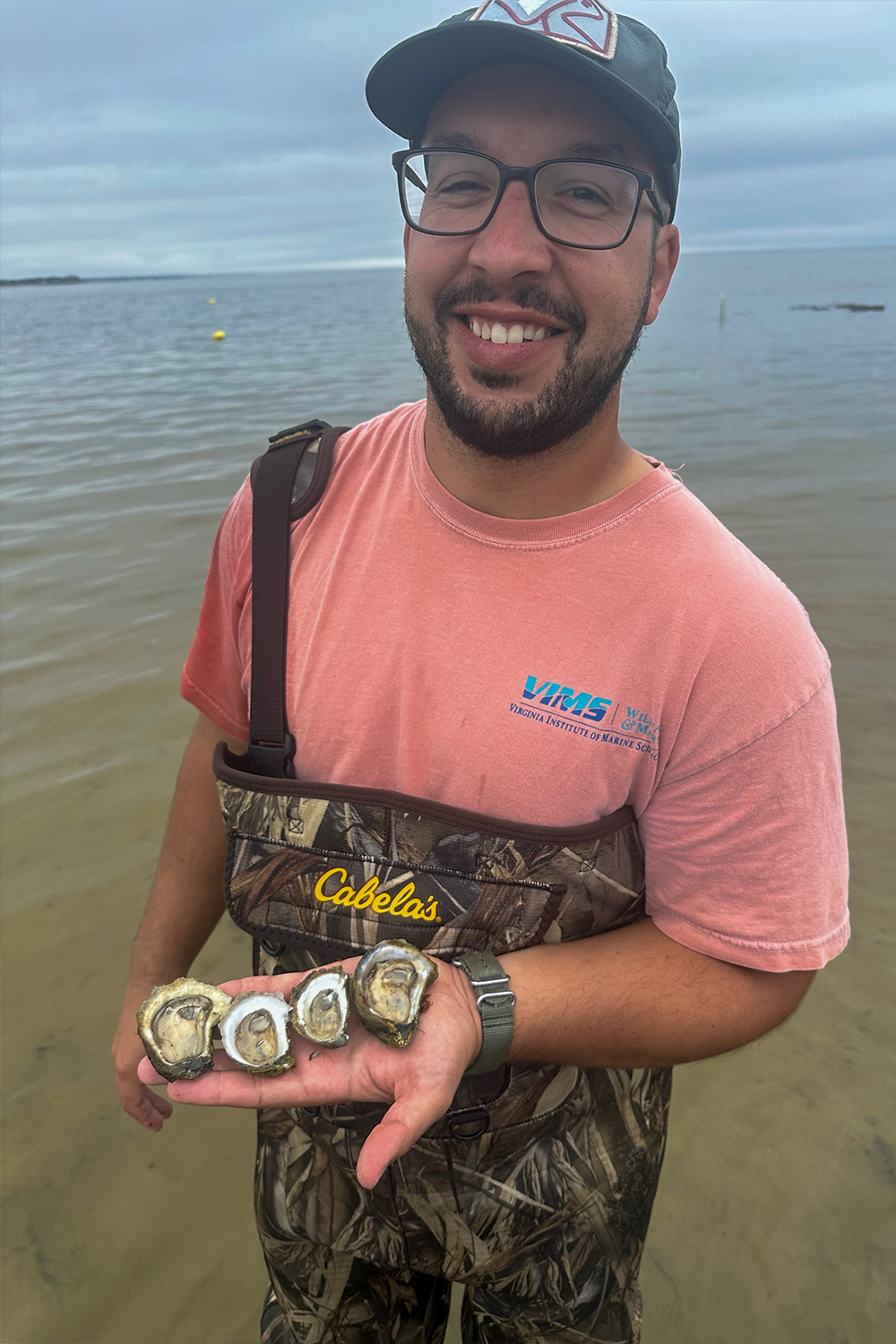 On being among the first five students to graduate with the shellfish aquaculture sub-concentration:
It’s opened so many doors and I've learned so much, not only about the intricacies of shellfish aquaculture, but also the realities of it. You can ask big questions about shellfish aquaculture, but more than that, you learn how to help the farmers. Through these classes, I've learned the social dimensions of aquaculture. And there are great people in this concentration who will be lifelong colleagues and friends.
On the supportive community:
It would be hard to think of anything negative. The community is the first thing I bring up when talking to prospective students. We've all grown really close to one another. Beyond my cohort, I've had a really good time starting a student group, the Aquaculture Collective, which is part of the U.S. Aquaculture Society. We’ve engaged students across William & Mary and got them more involved in marine science. I’ve also been able to build a mentorship network outside of school, within industry, which is truly unique.
On his most memorable moments:
The access that I've had to the aquaculture industry has been incredible. Through my advisor, I've been able to network with farmers around the country. I've been in classes that have taken me around the Chesapeake Bay, up to New England and to the West Coast. It's been super rewarding to see how farming is done in different areas and to meet the farmers. I really fell in love with doing research that can help them and their production.
On support from mentors:
Gary Fleener of Hog Island Oyster Company has hosted me and taken me out. I basically spent a week there learning the ins and outs of their farm, where they have a research arm and a commercial arm with restaurants and other things. That appealed to me because I really am interested in blending farming and research. Perry Rosso up in Rhode Island inspired me to go to grad school. And then, of course, Bill has provided so many opportunities, which has been fantastic.
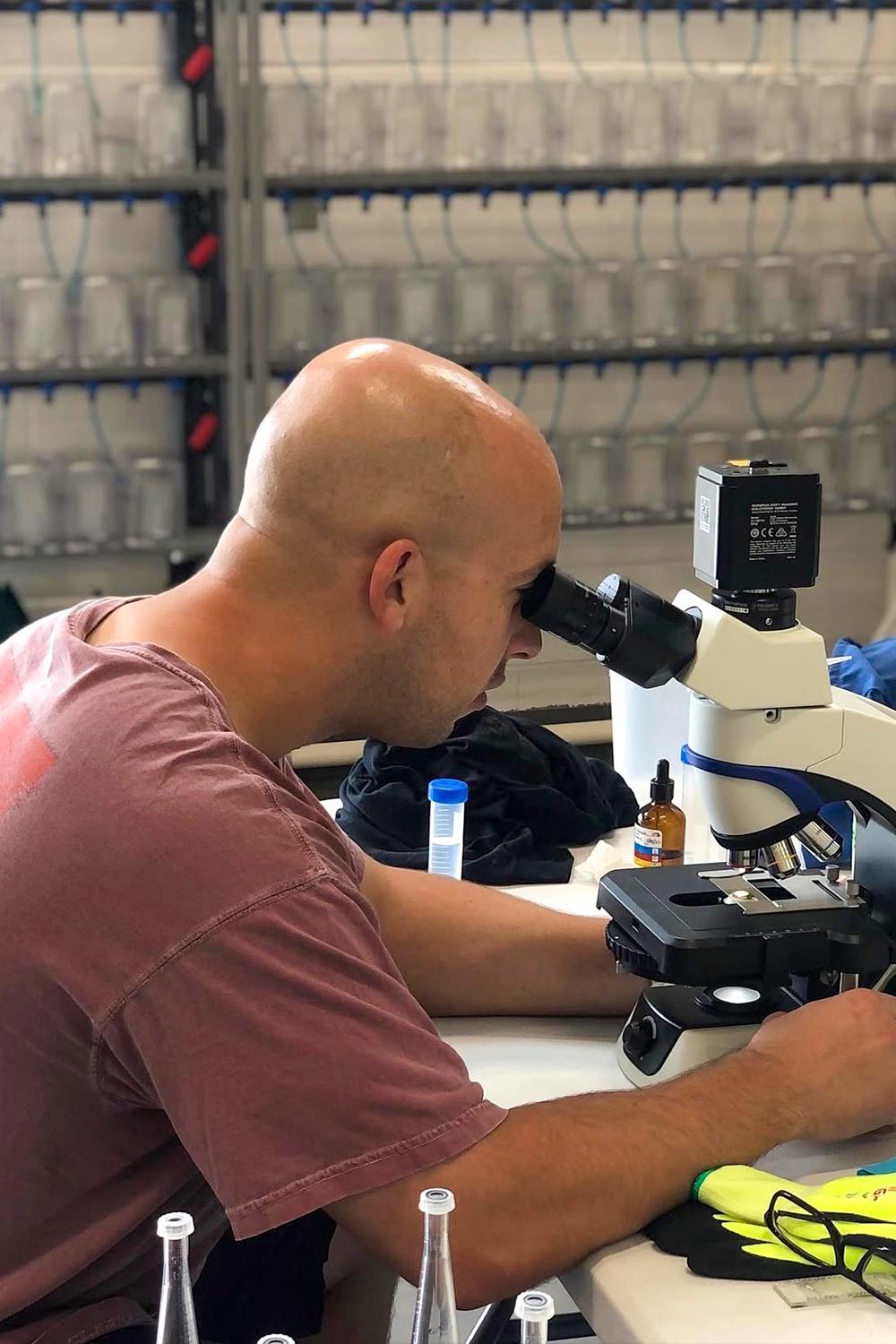 On his primary field of study:
I started looking at radio frequency identification (RFID) to enhance inventory management on shellfish farms. But I had a bigger vision: a fully integrated farm management system from seed to market. So, I’ve been testing that feasibility. We outfitted Cappahosic Oyster Company’s farm with RFID and built a dashboard to turn data into decisions. I’ve also studied optimal splitting densities during husbandry and led a nationwide needs assessment to ask farm managers about stressors and how the industry could be more efficient.
On what’s next:
I'm interested to see what kind of impact I could have in academia, similar to how Bill has approached it, through a commercial lens. So, I’m looking at postdocs at various places, as well as a few faculty positions that have come up. I'm also interested in being an extension specialist somewhere, whether that's a faculty member with an extension appointment or through an office like the Virginia Sea Grant. I’ve had some interesting people reach out, so we’ll see what happens.
On advice for new graduate students:
Learn from the people who did it before you, including what mistakes they made in grad school that could save you a lot of time. And keep asking the big questions; keep seeking out research that interests you and aligns with your advisor's research program. Finally, it's okay to be scared. Some of these situations will be very new to you, but that’s very common. Push through and you’ll be okay.
This alumni profile was published in May, 2026.