

Corporate leadership finds origins in Antarctic phytoplankton
For Sasha Tozzi Ph.D. ’10, research logistics led to project management and operational administration at the highest levels of the biotech industry
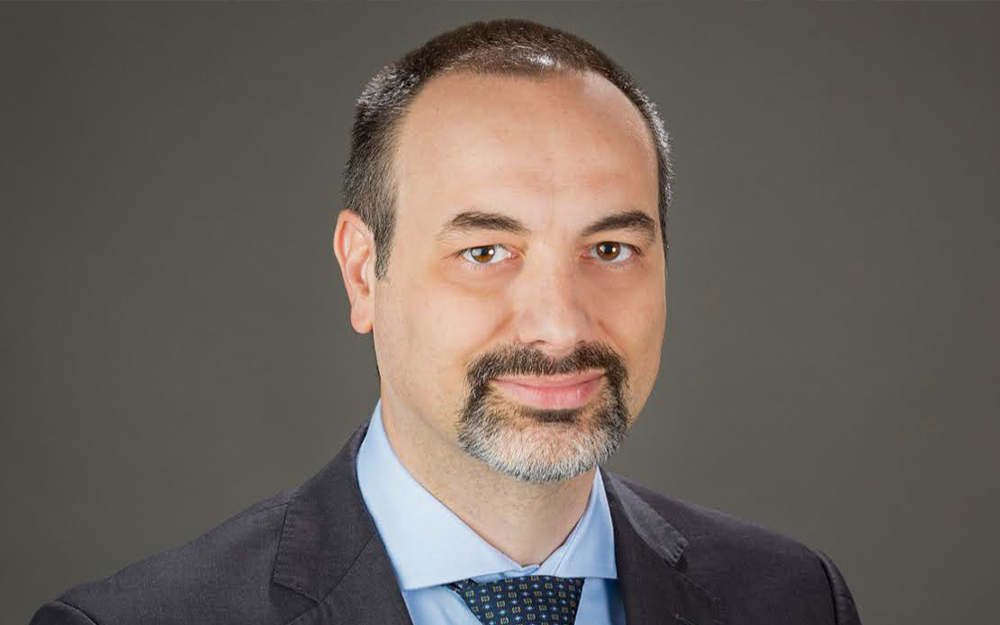 When Sasha Tozzi arrived at William & Mary’s Batten School & VIMS to pursue his Ph.D., the native Italian already carried a deep connection to the sea. “I lived right on the seaside of the Bay of Naples, and so the ocean was part of my life growing up,” he recalled. “I was sailing and scuba diving and doing all sorts of activities in the water, but it was only by chance that I got into marine biology."
Tozzi comes from a long line of lawyers. “My entire family are lawyers; my brother, my dad, my grandfather. My destiny was in law,” he said. However, a series of academic and research experiences inspired a passion that compelled him to rebel against tradition. After auditing a biology class, Tozzi enrolled in the biology program at Università degli Studi di Napoli Federico II which allowed him to conduct lab work at the Stazione Zoologica Anton Dohrn, an internationally recognized research facility and public aquarium.
An American professor, Paul Falkowski, was on the scientific advisory board of the Stazione Zoologica, “and that was my ticket to the States,” said Tozzi. “He became familiar with my research and, when Paul started a new position at Rutgers University, I was his first graduate student there.”
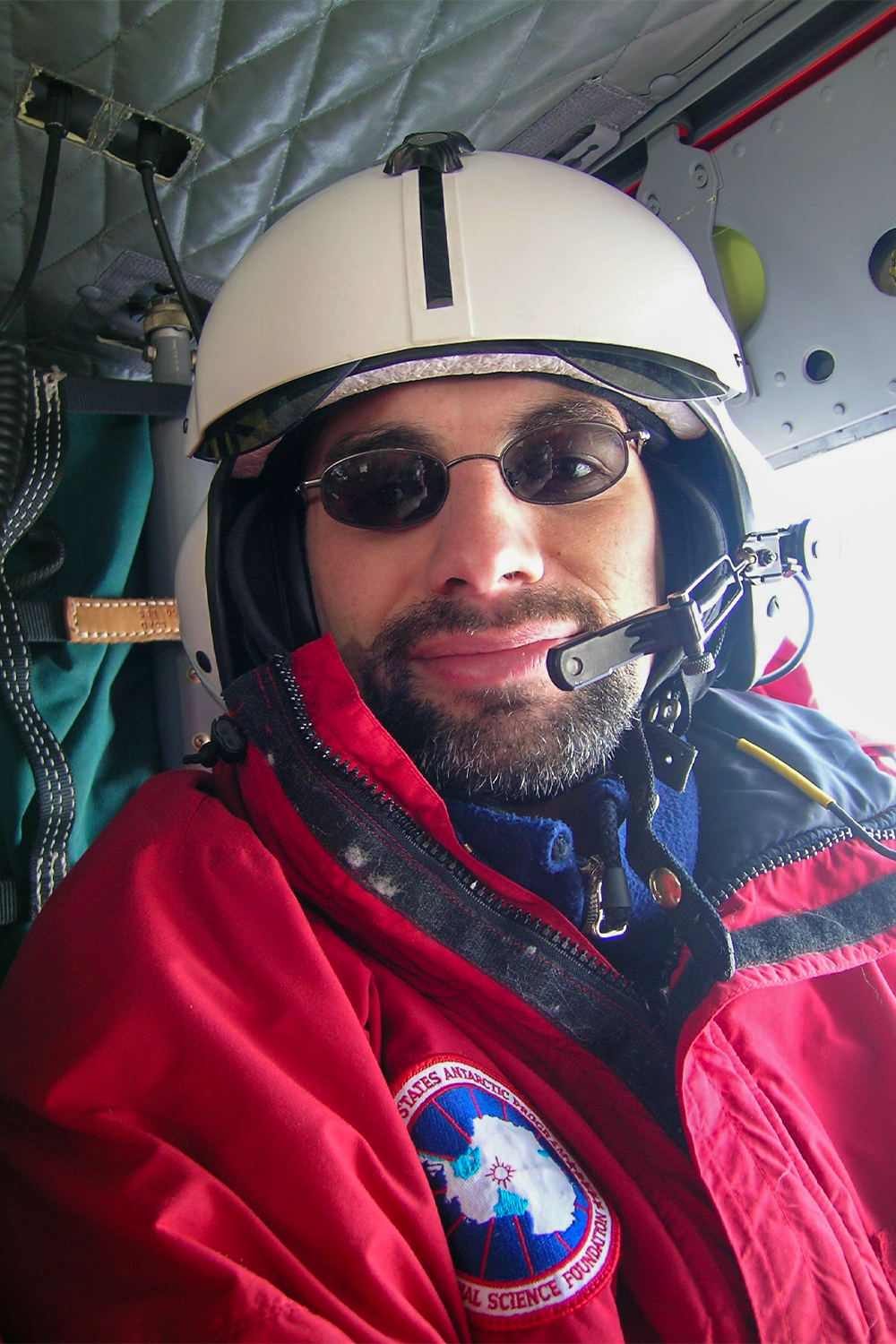 A few years later, while working on a major Southern Ocean research cruise, Tozzi met students from the Batten School of Coastal & Marine Sciences & VIMS. “It was pretty much a referral from students of [Professor] Walker Smith,” he said. “At the time, Walker had some grants that needed students in the bio realm. He reached out, and I jumped ship.”
Conducting research at the bottom of the world
At the Batten School & VIMS, Tozzi found both intellectual and social camaraderie. “It was fantastic. The school was a close-knit community and very welcoming,” he said. “I made a lot of friends right away; lifelong friends. It felt like home away from home.”
Life at the Batten School & VIMS mixed serious science with serious amusement, from weekend sailing races to recurring parties. “It was an interesting mix of nerding out and having fun,” Tozzi laughed. “There were deep conversations and then extreme silliness. Those events and experiences not only bonded us together but also sparked great academic collaborations.”
Tozzi’s dissertation explored the photobiology of phytoplankton in the Ross Sea, Antarctica — work that required months aboard National Science Foundation and U.S. Coast Guard icebreakers. “We would cruise all the way to the polynya, the open ocean between the continental ice and the sea ice, and then deploy all sorts of equipment and collect all sorts of samples,” he said. “The focus of my research was to look at the succession between dominant groups of algae, and we were able to correlate some of the biochemical patterns and light patterns to the succession of those communities.”
The logistical challenges of Antarctic fieldwork became the foundation for his later success. “Graduate school taught me how to think and solve problems,” Tozzi said. “Anytime you have an issue in the middle of the ocean, you don’t always have spare parts and you have to come up with creative solutions so that you don't miss the opportunity to collect your data.”
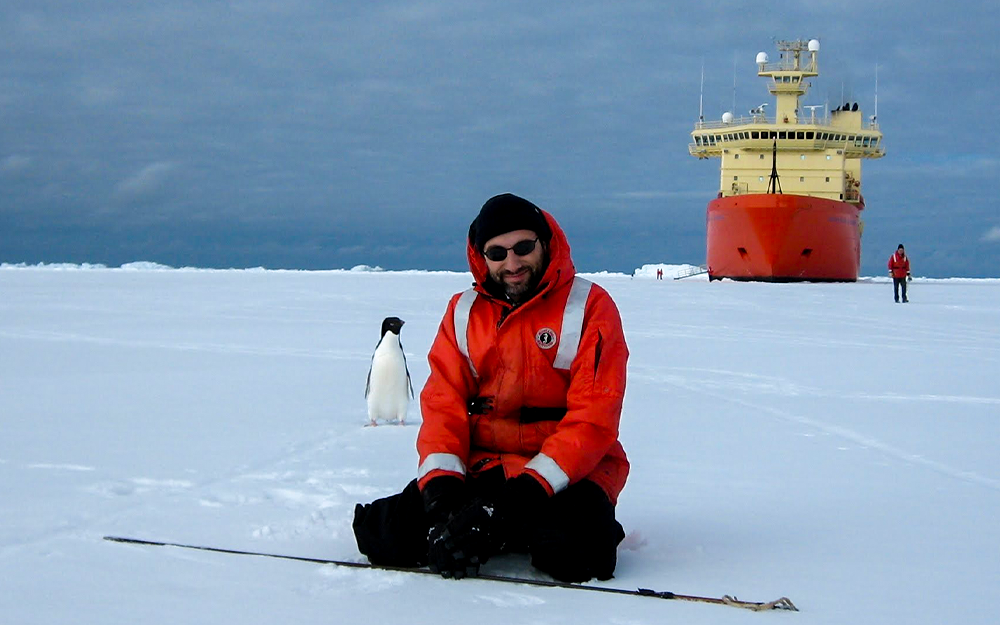 In fact, Tozzi sees a direct line from his graduate work at the Batten School & VIMS and his corporate career in operational management. “All that preparation — gathering supplies, shipping lab equipment across the world, setting it up on a ship, using it in extreme conditions, repacking and reshipping everything back to the U.S. — those are logistical and project management skills that made me successful in my career. I’m very grateful for everything that I learned in graduate school.”
From research to executive leadership
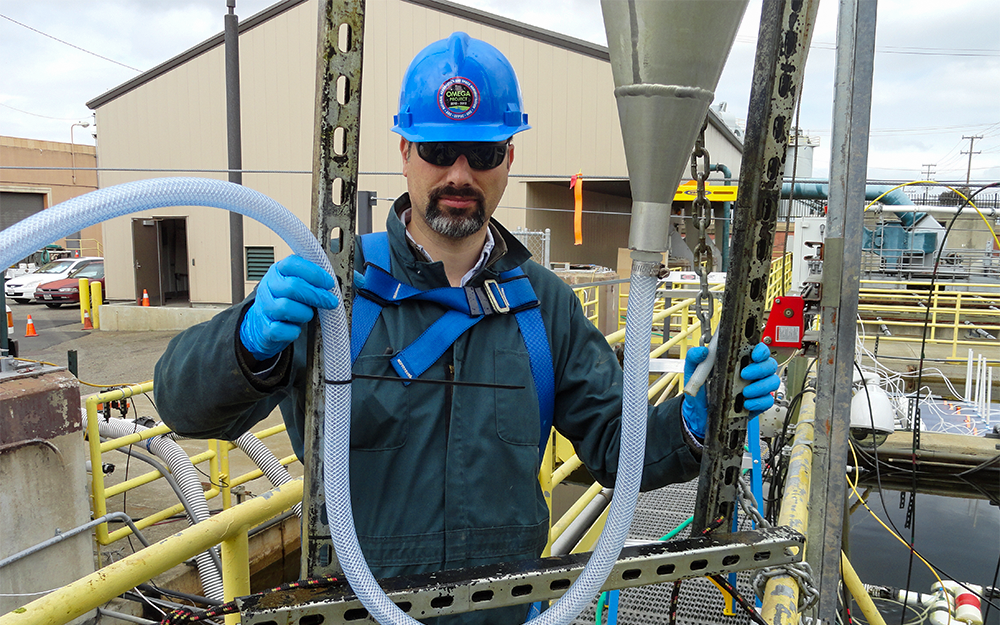
After earning his Ph.D., Tozzi’s career took him from NASA’s OMEGA project and the biotech start-up Aurora Algae to global companies such as Alltech, GenCanna and BioZyme Inc.
“My academic career was studying photosynthetic algae, and Alltech asked me to lead the R&D and then production of algae that were fermented — grown in the dark and fed with sugar instead of sunlight and carbon dioxide.” Describing the shift from photosynthetic algae to fermenting them in large bioreactors, Tozzi jokes, “I went to the dark side."
He quickly rose through leadership ranks at Alltech, taking on major automation and acquisition projects. That foundation carried into subsequent roles guiding operations for emerging biotech and consumer-health brands. “In six months at GenCanna, I was able to figure out better ways to make the products. Eventually I was put in charge of operations and that meant selecting a new site for manufacturing, building a new plant and running it for a number of years, along with managing a [business-to-consumer] brand that we acquired.”
 Most recently at BioZyme, Tozzi oversaw multiple production facilities as vice president of operations, managing teams which spanned labs, manufacturing, IT, building maintenance and capital projects. “In an executive position, you always have a team of people that you work with,” he explained, “and so I was able, in partnership with amazing employees and vendors, to achieve some great goals. And talking to people from different backgrounds, that’s part of what I learned at the Batten School & VIMS.”
A lifelong connection to his alma mater
Even after years in industry, Tozzi traces his professional versatility to his time on the Gloucester Point campus. “It was the foundation that led me to leading high-performance teams in biotech,” he said. “The ability to think out of the box, attention to detail, all the technical skills and data analysis, those were the foundations that allowed me to be successful in operations for both small and large corporations.”
Tozzi remains connected to the Batten School & VIMS, returning for Walker Smith’s retirement and staying in touch with faculty and fellow alumni. When asked what he’d tell current students, Tozzi offered straightforward advice: “Don’t miss opportunities. Stay focused on the research and on the learning, but also be aware of the surrounding opportunities that are available. There are many different ways to be successful and fulfill your dreams.”
Today, as Tozzi strategically pauses between executive roles to consider his next challenge, he carries that same curiosity that once drew him beneath Antarctic ice. Wherever he goes next, the foundation built at the Batten School & VIMS — lessons learned on deck, in the lab and among its tight-knit community — will surely continue to steer his course.
This alumni profile was published in December, 2025.