

W&M’s VIMS assumes state administration of Boating Infrastructure Grant program
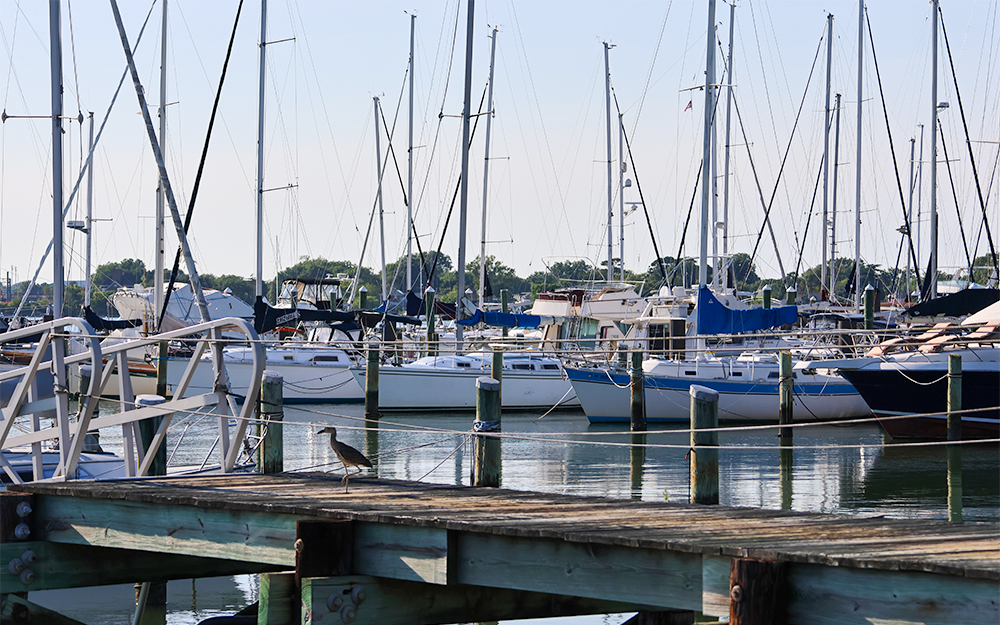 William & Mary’s Virginia Institute of Marine Science (VIMS) has assumed state administration of the Boating Infrastructure Grant (BIG) Program, which was previously managed by the Virginia Department of Health. Governor Abigail Spanberger codified the change in a formal letter, emphasizing VIMS’ role as a nonpartisan advisor serving Virginia and its coastlines.
The BIG program was established in 1998 under the Sports, Fishing and Boating Safety Act. This act authorized the United States Fish and Wildlife Service (USFWS) to administer a competitive grant program to support infrastructure improvements of marinas, targeting large, transient boaters with the aim of boosting local economies through increased boating tourism. As state administrator of the program, VIMS will help citizens, businesses and municipalities within Virginia apply for these federal funds, working with applicants to develop competitive proposals. If the USFWS awards a grant to a Virginia applicant, VIMS will then assist in the execution of those funds, including support for the applicant through the lifecycle of the project.
“With our experience managing the Virginia Clean Marina Program, administering the BIG program in Virginia seemed like a natural fit for VIMS,” said David Rudders, assistant dean of research and advisory services at VIMS & the Batten School of Coastal & Marine Sciences. “I think it speaks to our role within the state and highlights what we bring from both the advisory and outreach aspects of our mission.”
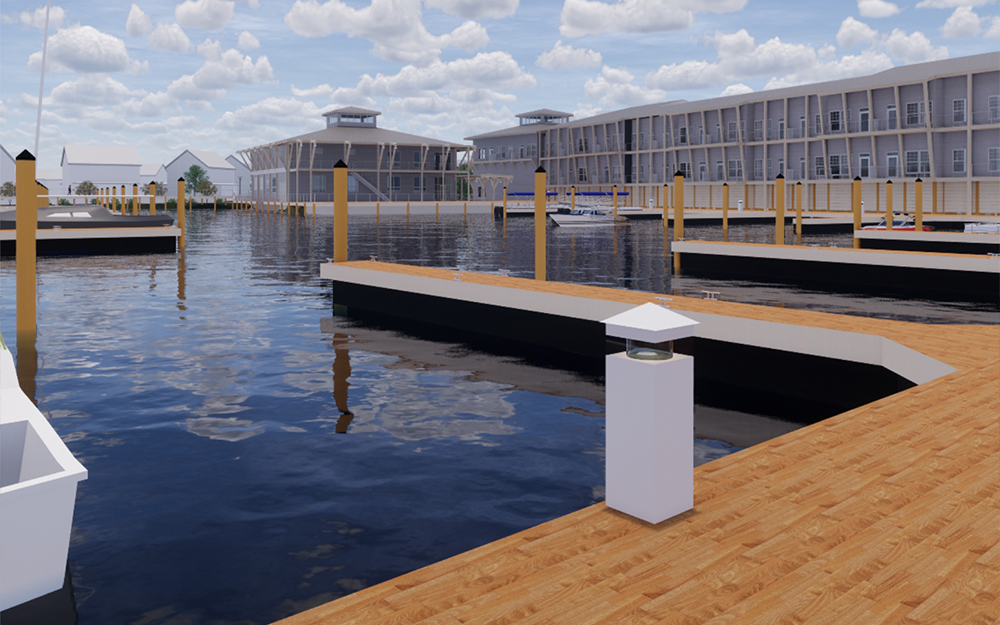
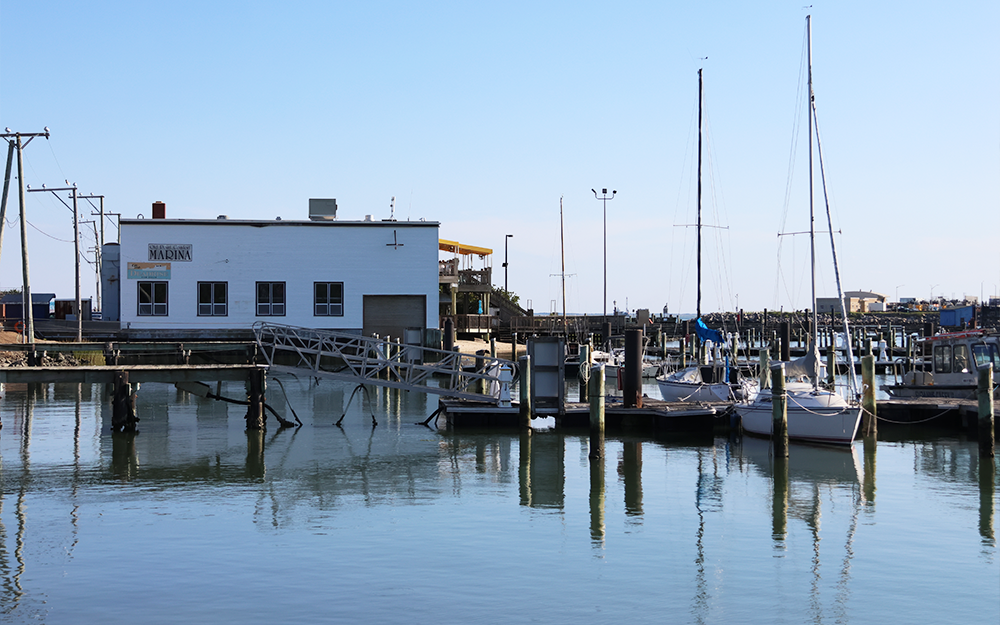 Recently, a proposal to develop and improve Hampton’s Old Point Comfort Marina was accepted for funding by the BIG program, with the award to be distributed once environmental compliance is confirmed. In the coming years, the community can expect to see a living shoreline off the marina's coast, enhancing the biodiversity found along its shore. Guests can also look forward to the addition of new docks featuring 66 wet slips for transient boaters and the relocation of the fueling station to a more accessible and secure location, among many other changes.
“Working with the VIMS team throughout the BIG process was an outstanding experience,” said Randy Pack, chairman of Pack Brothers Hospitality, the organization leading the restoration. As part of their project, the renovated facility will be renamed The Marina at 37 North as part of a broader development plan for a new resort known as 37 North at Fort Monroe.
“Their commitment to helping applicants navigate a complex program was instrumental in securing funding that will allow us to significantly enhance the Old Point Comfort Marina for the boating public,” Pack said.
Building on years of successful administration of the program by the Virginia’s Department of Health, applicants can expect a similar process for future competitions. Once submitted, applications will be reviewed by Abigail Clark and Shelby White in VIMS’ Marine Advisory Program (MAP), who may provide further input. From there, the applications will be evaluated by a review panel, and the highest scoring applications will move forward to compete nationally with other BIG program applicants.
 Additionally, Clark stated one of VIMS’ goals is to encourage applications to consider coastal resilience in their projects. This could include the incorporation of living shorelines, such as with Old Point Comfort Marina, or accounting for sea level rise along Virginia’s coast. “Resiliency measures can put projects ahead during the evaluation process because they extend the useful life of project components, improve facility resilience and further reduce negative environmental impacts beyond what is legally required,” she said.
Applications for Virginia’s BIG program are expected to open within the coming months. If a proposal is selected, Clark and White will remain in contact with the applicant as they move through the permitting process. Throughout construction, MAP will also make site visits to verify that the ongoing renovations are proceeding according to plan, while Virginia’s Marine Resources Commission will monitor the project to ensure local laws and regulations are followed.
Clark and White emphasize that their role is to help applicants understand the process and submit a technically sound and competitive proposal. “We’re here to help,” said Clark.
To learn more, ask questions or submit proposals, potential applicants should email vabigprogram@vims.edu.