The Batten School & VIMS campus will be closed on Monday, March 15 due to the National Weather Service prediction for severe weather including periods of rain, damaging winds and the potential for tornadoes.


Aquaculture Genetics & Breeding Technology Center (ABC)

The Aquaculture Genetics & Breeding Technology Center (ABC) at the Virginia Institute of Marine Science (VIMS) advances sustainable shellfish aquaculture through selective breeding and applied genetics. Since 1997, ABC has led efforts to revitalize the eastern oyster (Crassostrea virginica) by developing high-performing, disease-tolerant, broodstock.

With state-of-the-art hatchery facilities, a range of field sites, and strong partnerships with growers and resource managers, ABC delivers research- backed solutions that strengthen Virginia’s oyster aquaculture industry.
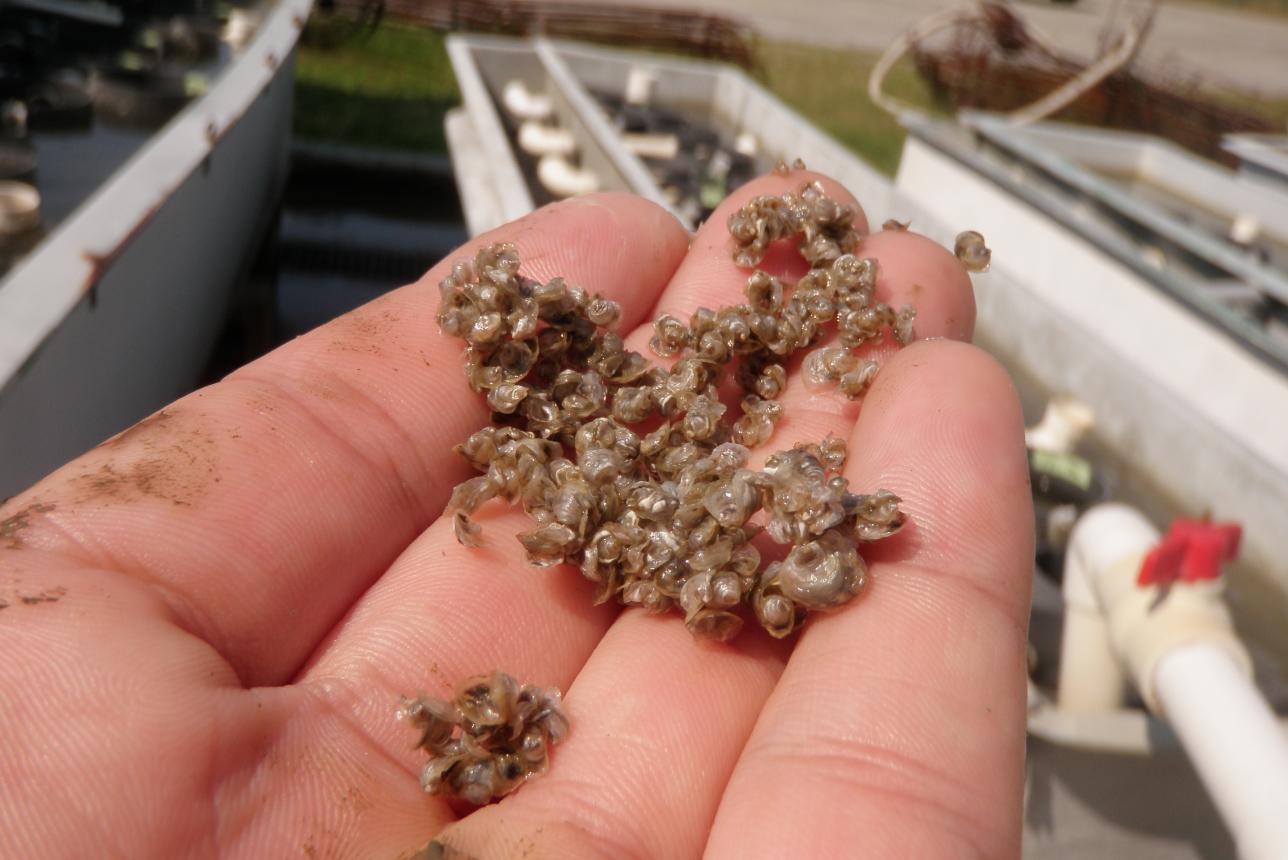
A hand holding a cluster of small juvenile oyster spat above hatchery raceways.

History & Mission

Born out of the need to find a way to restore oyster harvests in the Chesapeake bay, in part due to devastating oyster diseases, our program began by applying selective breeding techniques strengthen oyster resilience and increase aquaculture productivity. Explore our history and mission to see how this effort has grown into the most extensive oyster breeding program in the United States - and arguably the largest in the world.

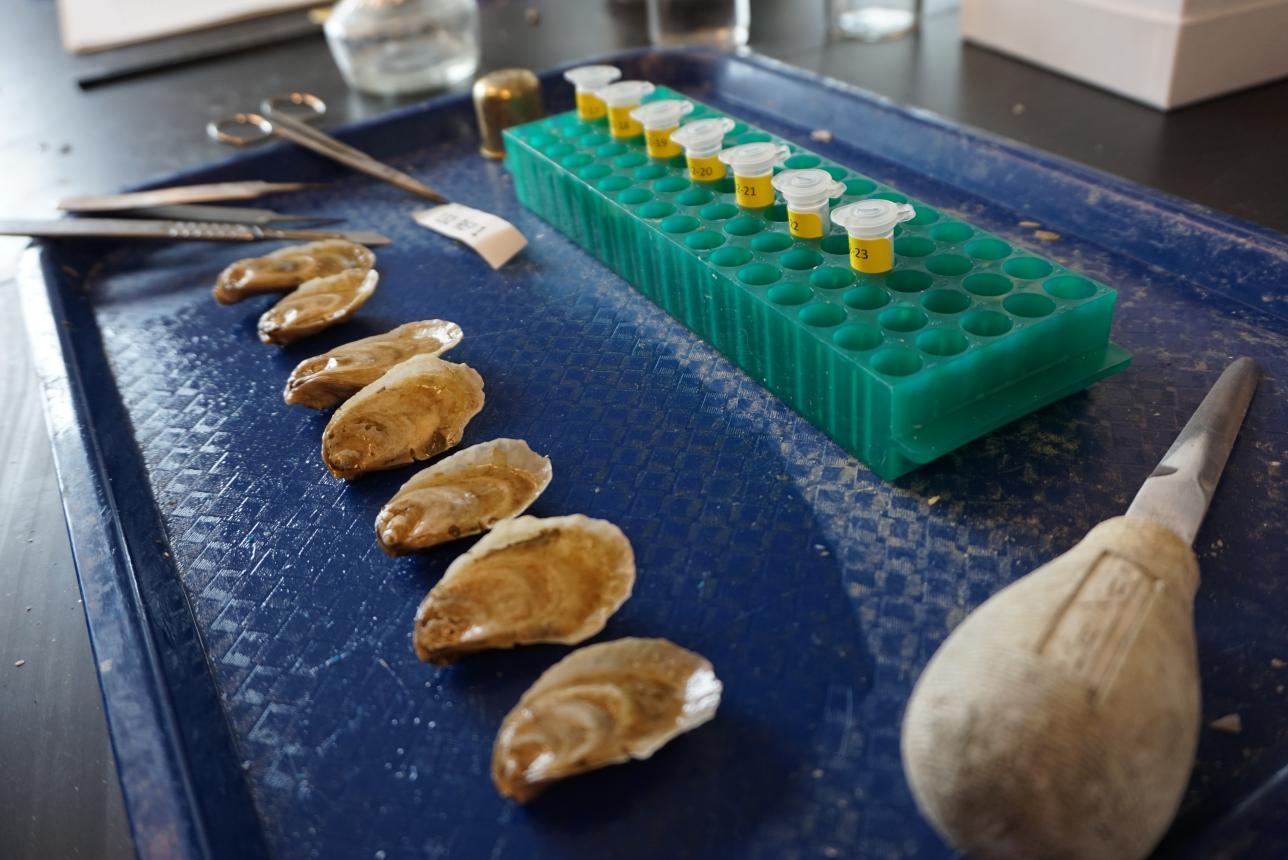
Shucked oyster shells lined up on a blue lab tray alongside an oyster knife, forceps, and a green rack holding labeled sample vials in a research laboratory.

Research & Breeding

ABC is a leading center for oyster breeding and applied aquaculture research. Through selective breeding, polyploid technology, collaborative partnerships, and research addressing emerging challenges, we develop high-performing oyster lines and deliver improved broodstock that support commercial hatcheries.

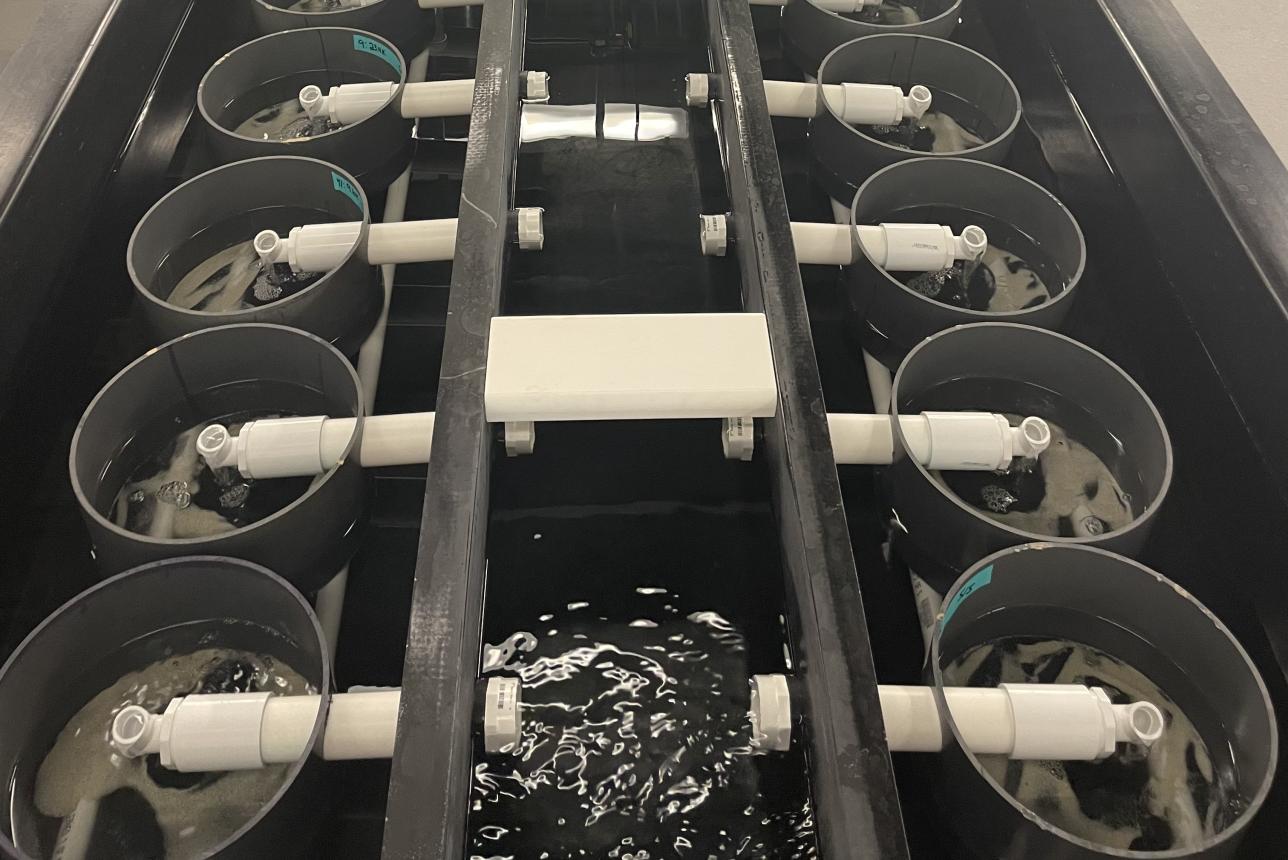
Oyster aquaculture equipment

Facilities and Equipment

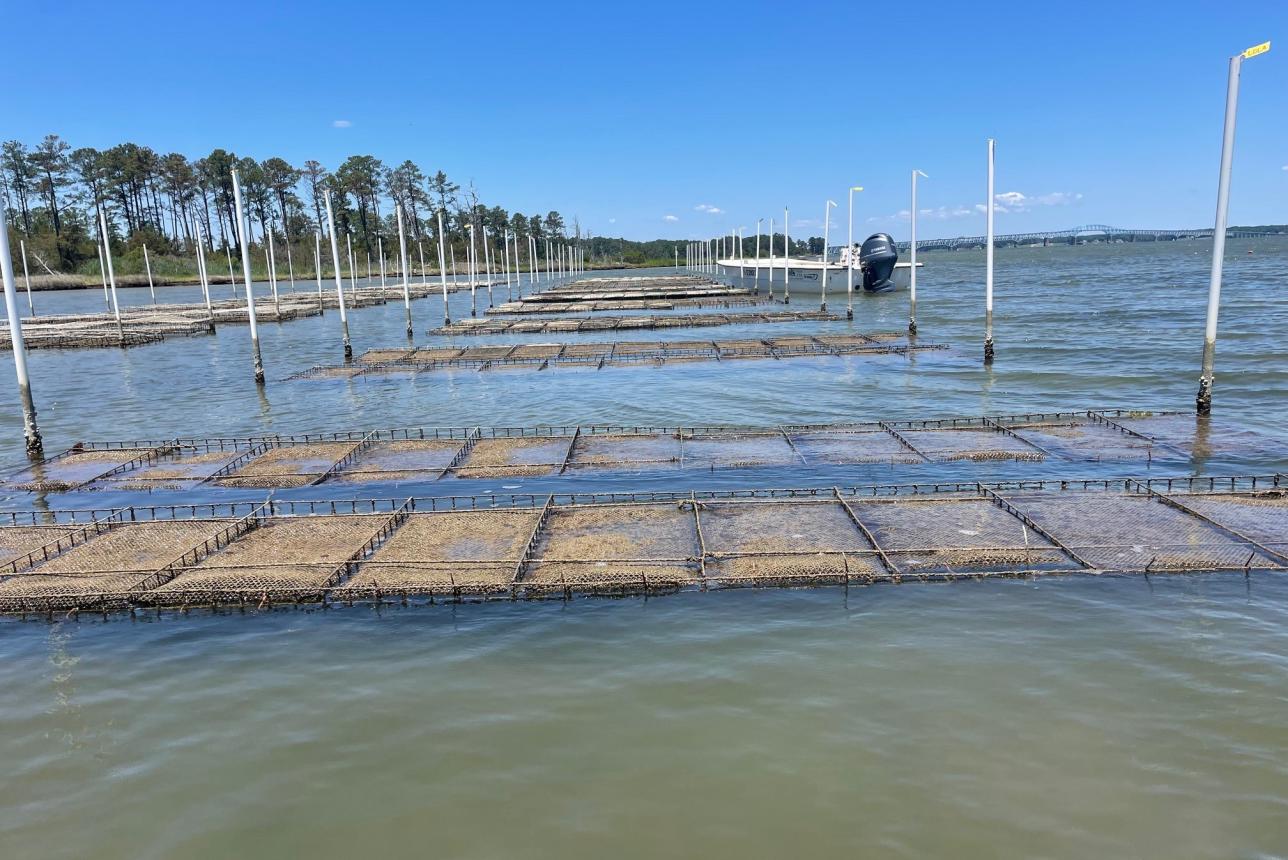
From controlled hatchery and nursery systems to diverse field sites spanning a range of Chesapeake Bay conditions, our facilities are built to support every stage of oyster development and evaluation. Integrated laboratory capabilities for disease diagnostics and genetic analysis allow us to link performance in the field with data analysis.

Oyster aquaculture farm

Industry Products and Services

ABC provides selectively bred diploid and tetraploid broodstock to commercial hatcheries, supporting reliable seed production and improved farm performance. We offer guidance in selecting the most appropriate oyster lines for specific hatchery and grow-out conditions, along with ploidy verification services through flow cytometry to ensure confidence in triploid production. In addition, ABC supplies high-quality algae starter stocks to support strong larval growth and hatchery performance.

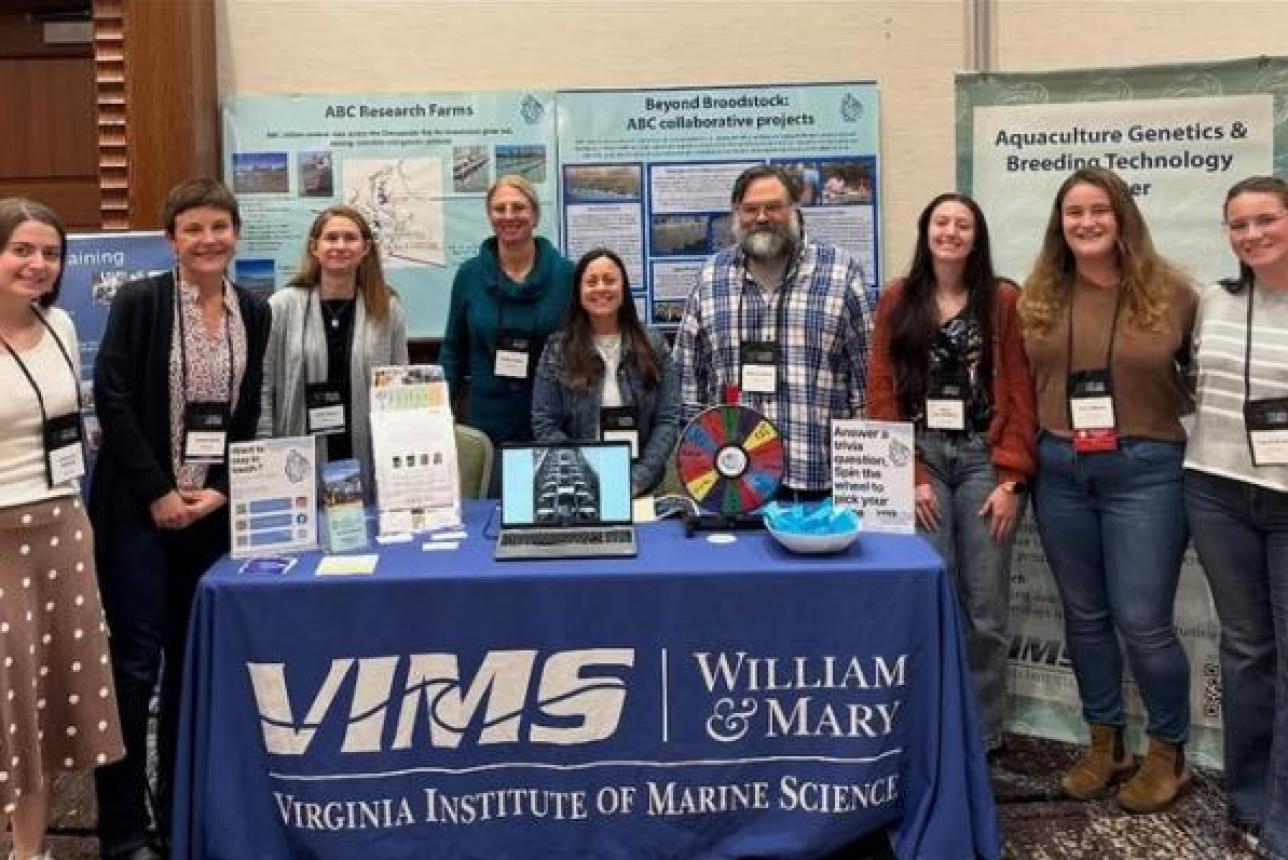
A group photo of ABC researchers and staff

The People of ABC

ABC brings together a diverse team with expertise across genetics, hatchery operations, research, and applied aquaculture. The strength of ABC lies in this combination of scientific knowledge and decades-long technical experience that keep our work aligned with industry needs.

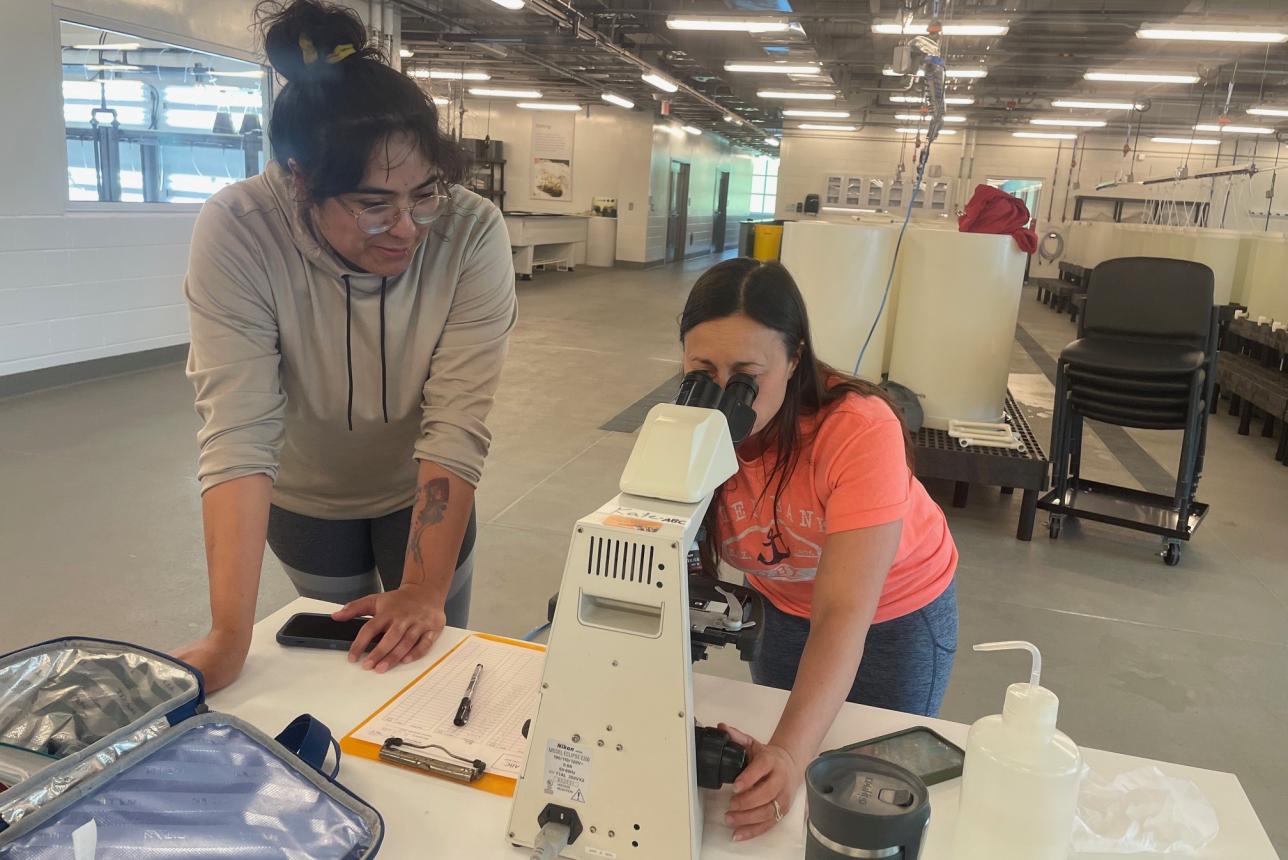
ABC researchers look through a microscope in the Acuff Center.

Workforce Development

Through on-the-job technical training and industry partnerships, ABC helps prepare the next generation of aquaculture professionals. Our Oyster Aquaculture Trainees (OATs) contribute directly to hatchery and field work, gaining practical experience that translates into real-world skills they can use in the oyster aquaculture industry.

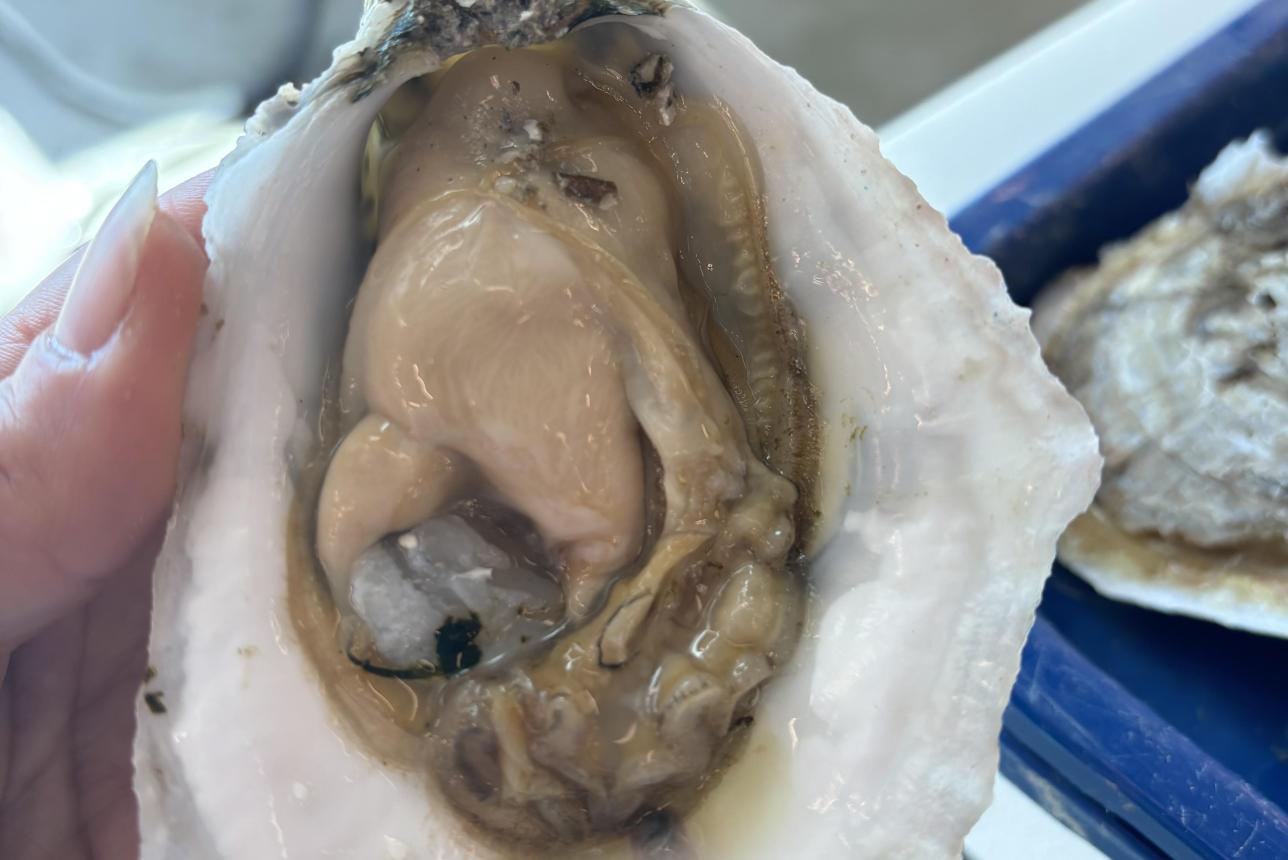
A close up of an oyster

Aquaculture and the Oyster

Oysters are more than a food product—they are a fascinating species with a unique biology and life cycle. Explore how oysters grow from larvae to market-ready animals, the challenges they face, how hatcheries and farms raise them, and the different ways oysters reach our tables—from half-shell to shucked products.

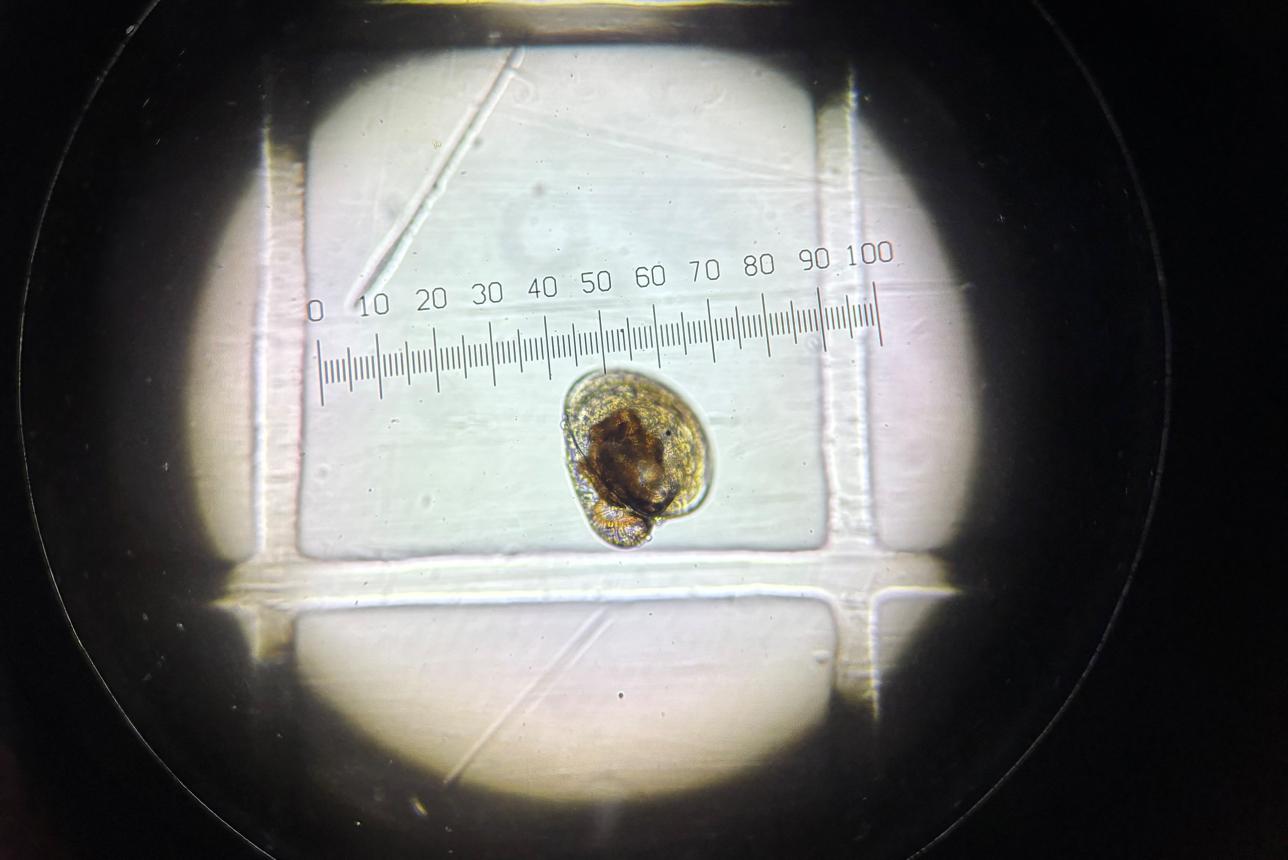
A microscopic image of an oyster

Frequently Asked Questions

Have questions about oysters, oyster farming, or how ABC supports the industry? Our FAQ section answers common questions for both visitors and industry partners, including how oysters are bred, how hatcheries use them, and how you can get involved—whether through a visit, training, or collaboration.

Each Year ABC Scientists...

  • 15 million
    Oyster larvae harvested
  • 17,300
    Broodstock oysters distributed to industry partners
  • 400
    Triploid samples certified for industry
  • 2,679
    Tissues archived for genomic analysis

ABC Contact

Aquaculture Genetics & Breeding Technology Center (ABC)

Contact Us

Connect on Socials