AquaDI

Advancing Aquatic Disease Science for a Healthier Environment
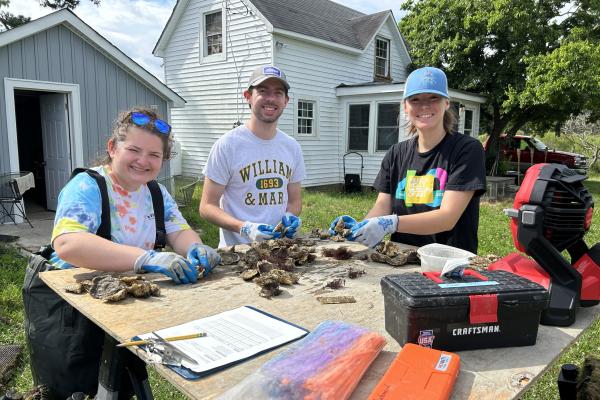
Researchers sort oysters

The mission of AquaDI is to provide robust science to guide effective management of diseases of aquatic resource species in waters of the Commonwealth and Chesapeake Bay region. Recent disease outbreaks have damaged economically important and ecologically sensitive marine resources in the Commonwealth and nation. Examples include mycobacteriosis in striped bass, dermo and MSX in oysters, Hematodinium in blue crabs, morbillivirus in dolphins, and wasting disease in sea stars, to name just a few.

By leveraging our expertise in shellfish and fish pathology, virology, bacteriology, parasitology, genetics and molecular biology, we are able to respond to current disease concerns and react to emerging disease threats. 

Key Activities

  • Pathology services for aquatic species
  • Disease surveillance and diagnostic protocol development
  • Outreach and graduate training
  • Specialized research on mollusc, crustacean, eel, and fish diseases
Research

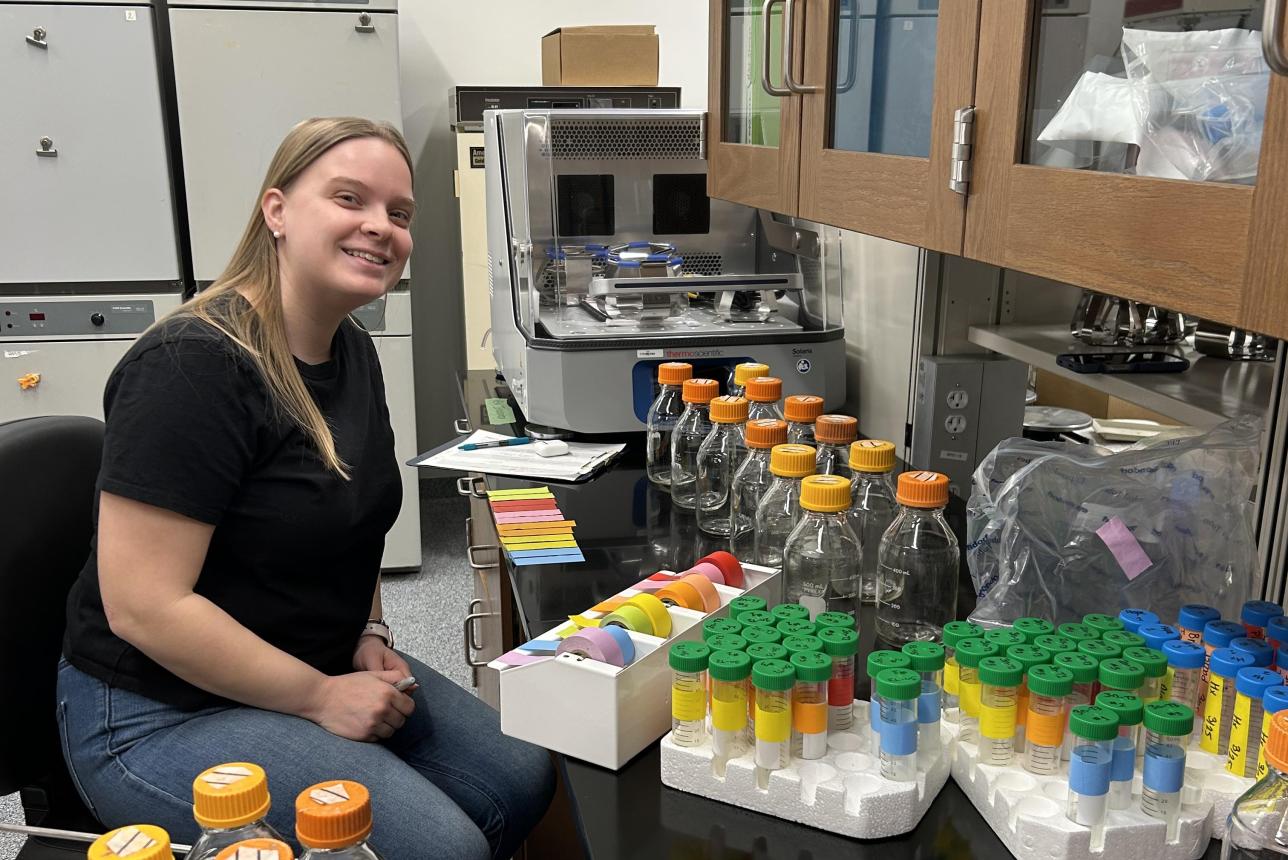
A lab worker sits next to molecular assay equipment

Molecular Tools

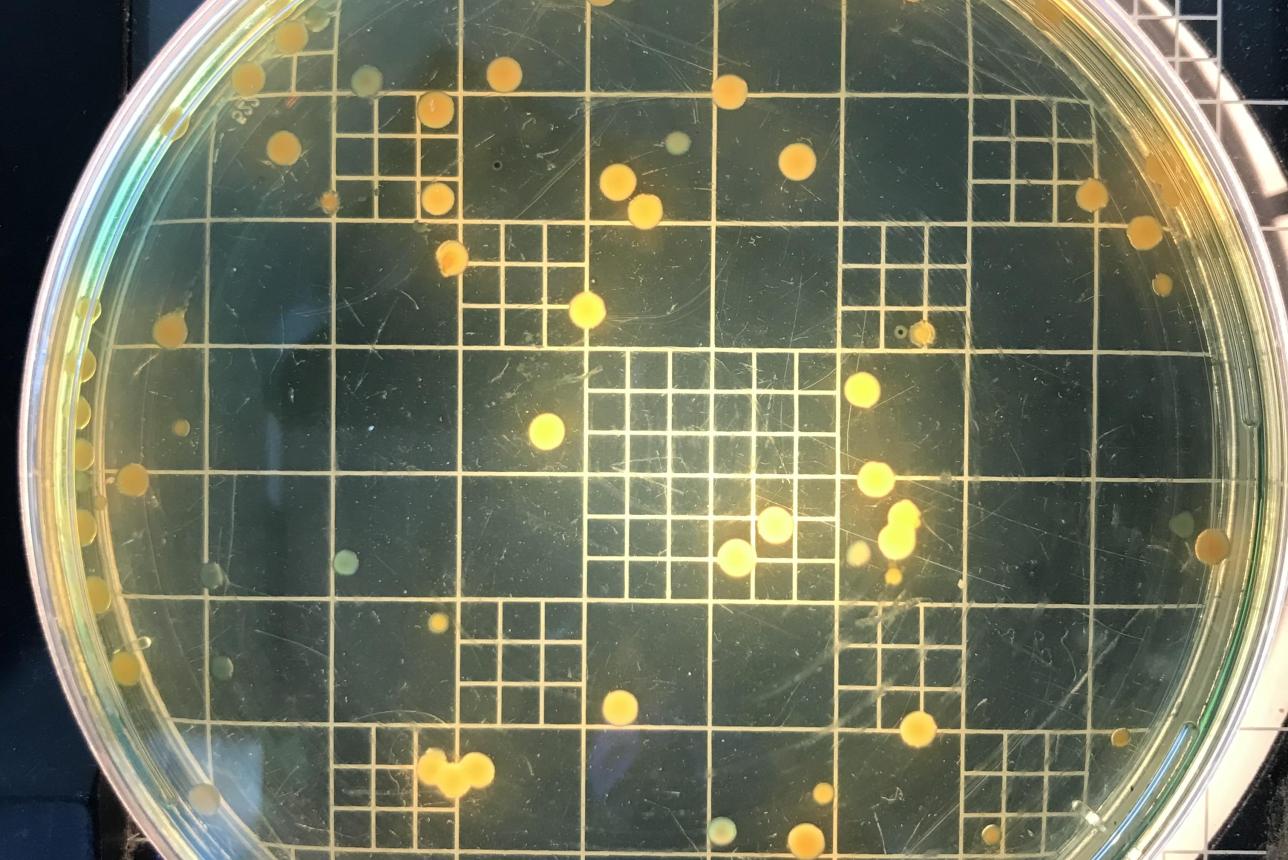
Molecular diagnostic assays are designed to target the nucleic acids, the DNAs and RNAs, of hosts or their pathogens, such as protistan parasites, bacteria or viruses. Instruments for quantitative PCR, digital PCR, Sanger or next-generation sequencing available at VIMS enable the AquaDI team to examine the abundance and diversity of pathogens in relation to their host(s), other microorganisms and the environment. These molecular-based tools are also used to better understand the genetics of hosts that can help with selecting and breeding for more resistant strains and species.

Close of up of vibrio bacteria

Vibrio Pathogens

Vibrio bacteria occur naturally in freshwater, estuarine and marine environments. Species such as V. cholerae, V. vulnificus and V. parahaemolyticus can cause diseases in humans, while others can cause disease in marine fauna including crustaceans, molluscs or fish. AquaDI activities contribute to gaining a better understanding of the factors controlling the distribution of these bacteria and of the impact of these bacteria on the health of wild or aquacultured species.

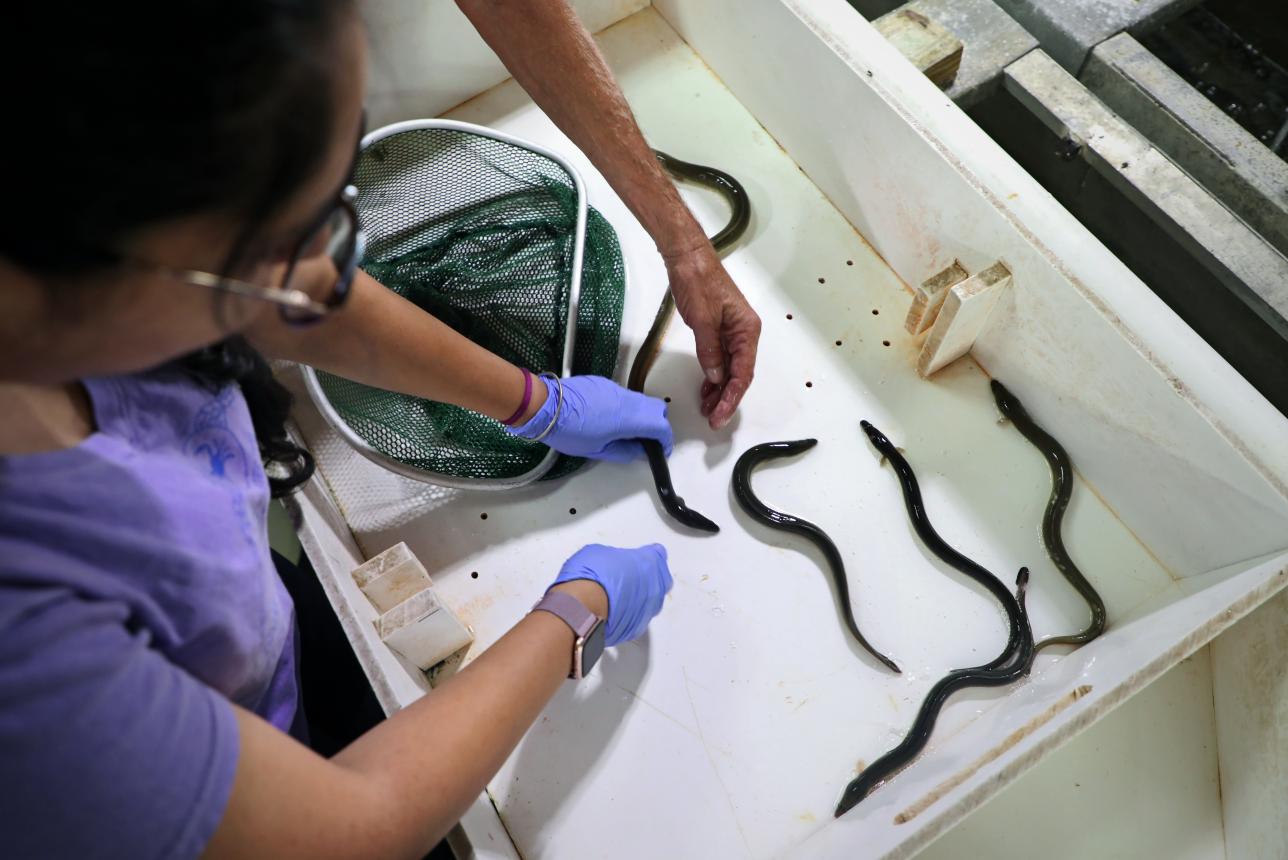
Lab workers handle eels in a tub

American Eel Diseases

American eels support a growing fishery and aquaculture industry in the Chesapeake Bay.  Unfortunately, the health of their population faces many regional threats, including infectious diseases such as red sore disease caused by bacterial infections, swim bladder disease caused by the nematode Anguillicoloides crassus, and gill disease caused by trematodes such as Pseudodactylogyrus anguillae and Pseudodactylogyrus bini. AquaDI activities include surveillance, diagnostics, and management recommendations for these and other emerging American eel diseases.

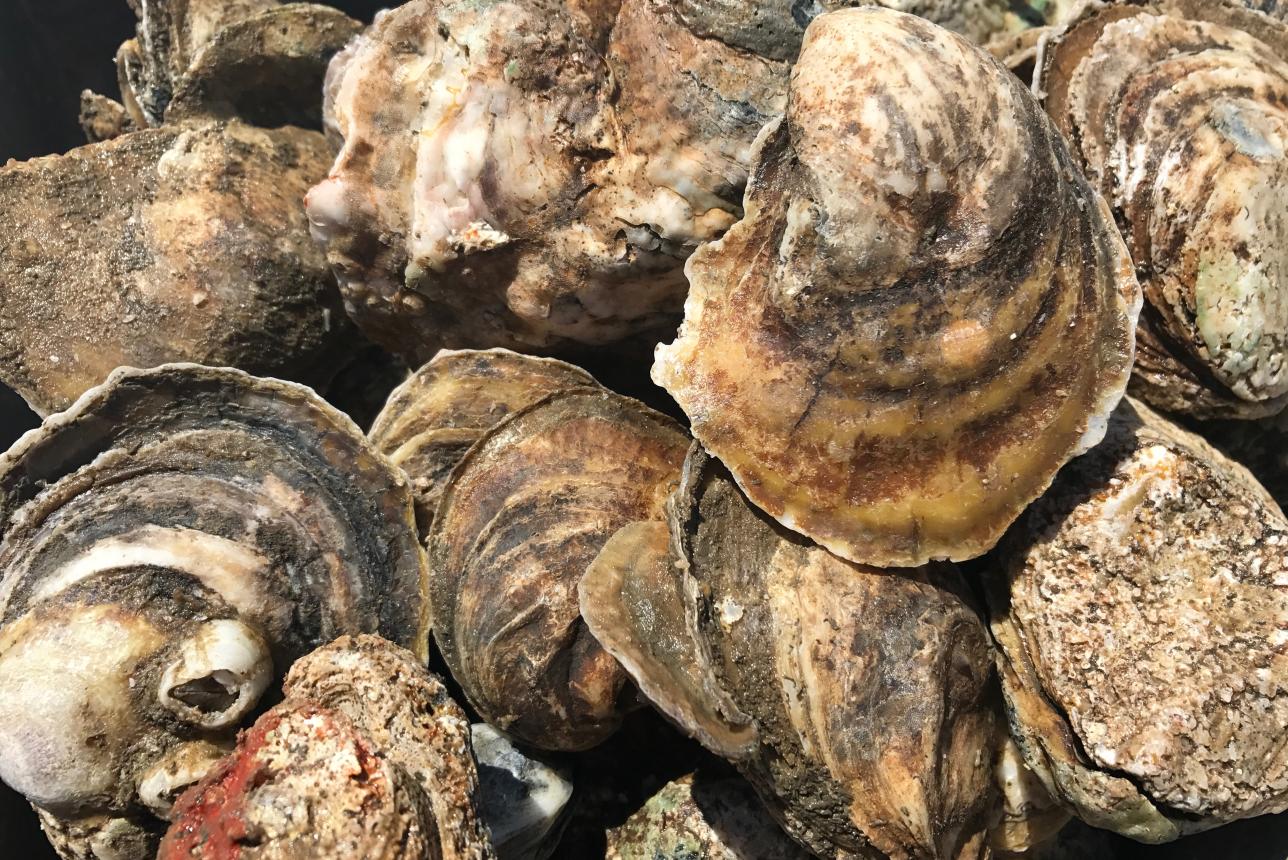
A close up of oysters

Mollusc Diseases

Bivalve molluscs like oysters and clams in our region have long been challenged by infectious diseases, and today the myriad stresses associated with climate change present new challenges. AquaDI activity on this front involves better understanding the cause of unusual mortality events in these key resource species, and the unique shellfish health challenges associated with hatchery and nursery production of these species.

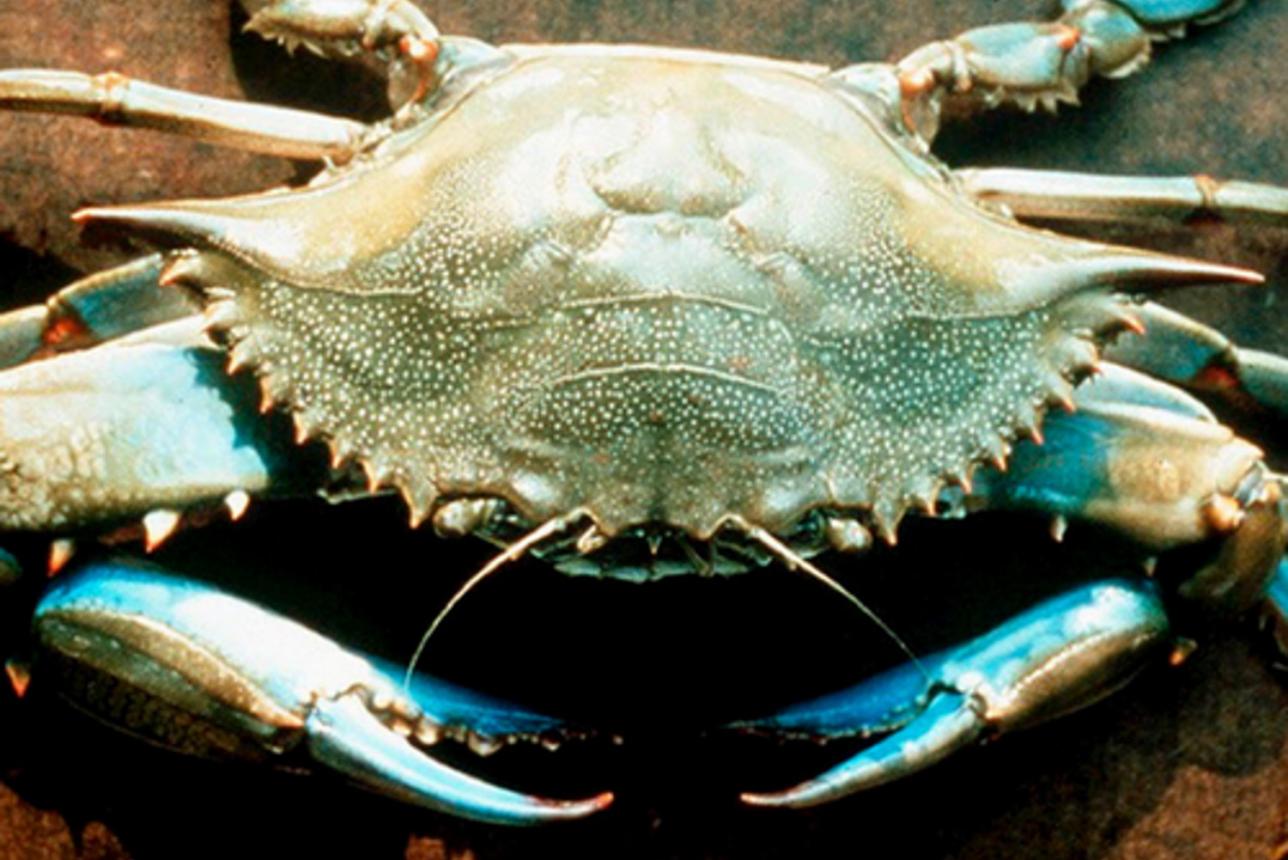
Close up of a Blue Crab

Crustacean Diseases

Blue crabs support one of the largest fisheries in Virginia but their stock has suffered from fishing and predation pressure, poor settlement, and disease. AquaDI research on blue crabs include assessments of disease caused by the parasitic dinoflagellate Hematodinium and by bacterial infections, as well as monitoring of protozoan and helminth parasites. Our research also addresses diseases of other crustacean species associated with experimental or new crustacean fisheries such as penaeid shrimps, rock crabs, red crabs, and lobsters.

Contact Us

AquaDI's cutting-edge research provides essential tools for disease surveillance, diagnostics, and management, benefiting fisheries and aquaculture industries. Program funding empowers us to address emerging diseases and protect vital marine species. Email us via the button below to learn more.