

What is ChesMMAP?
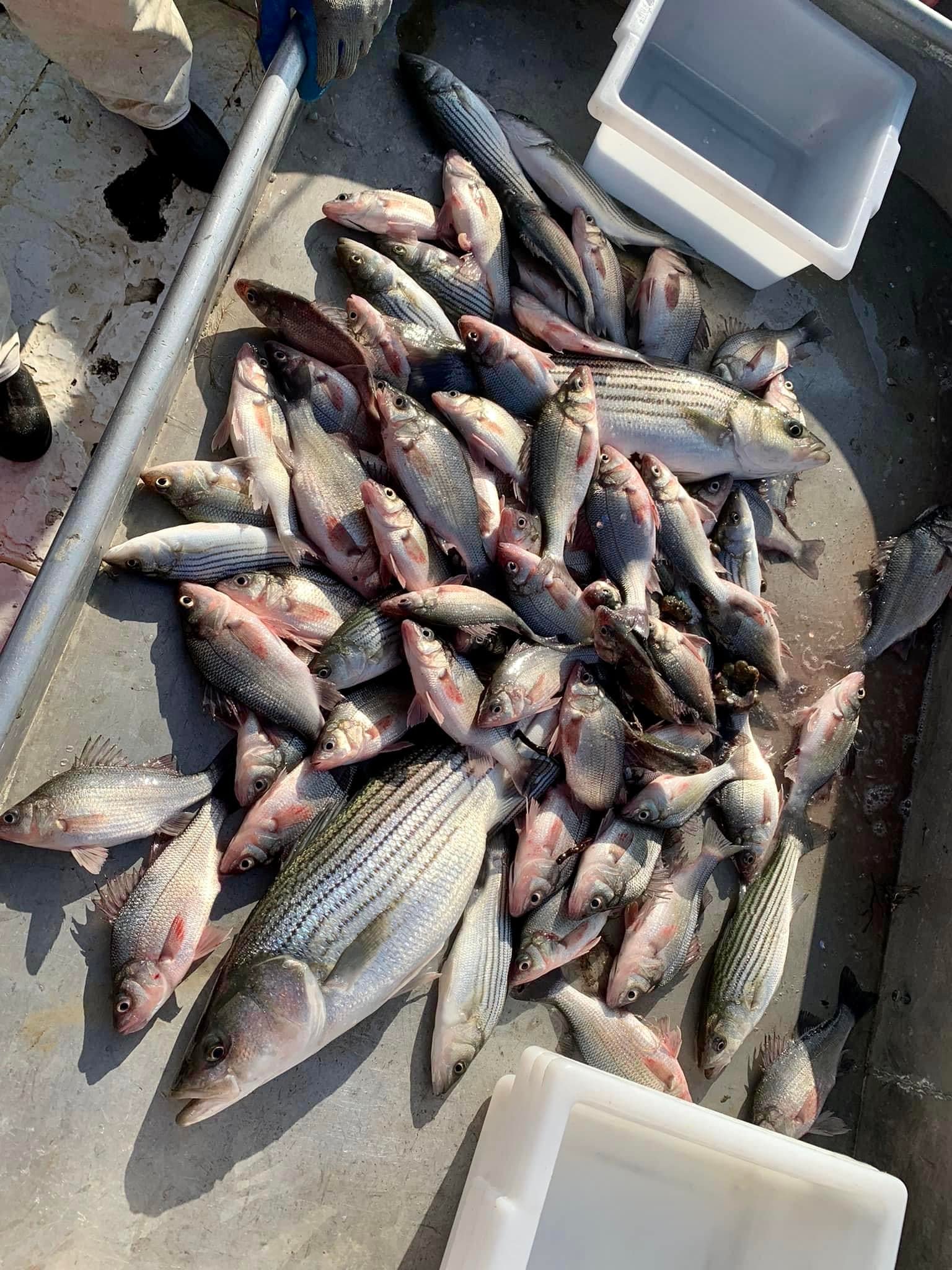
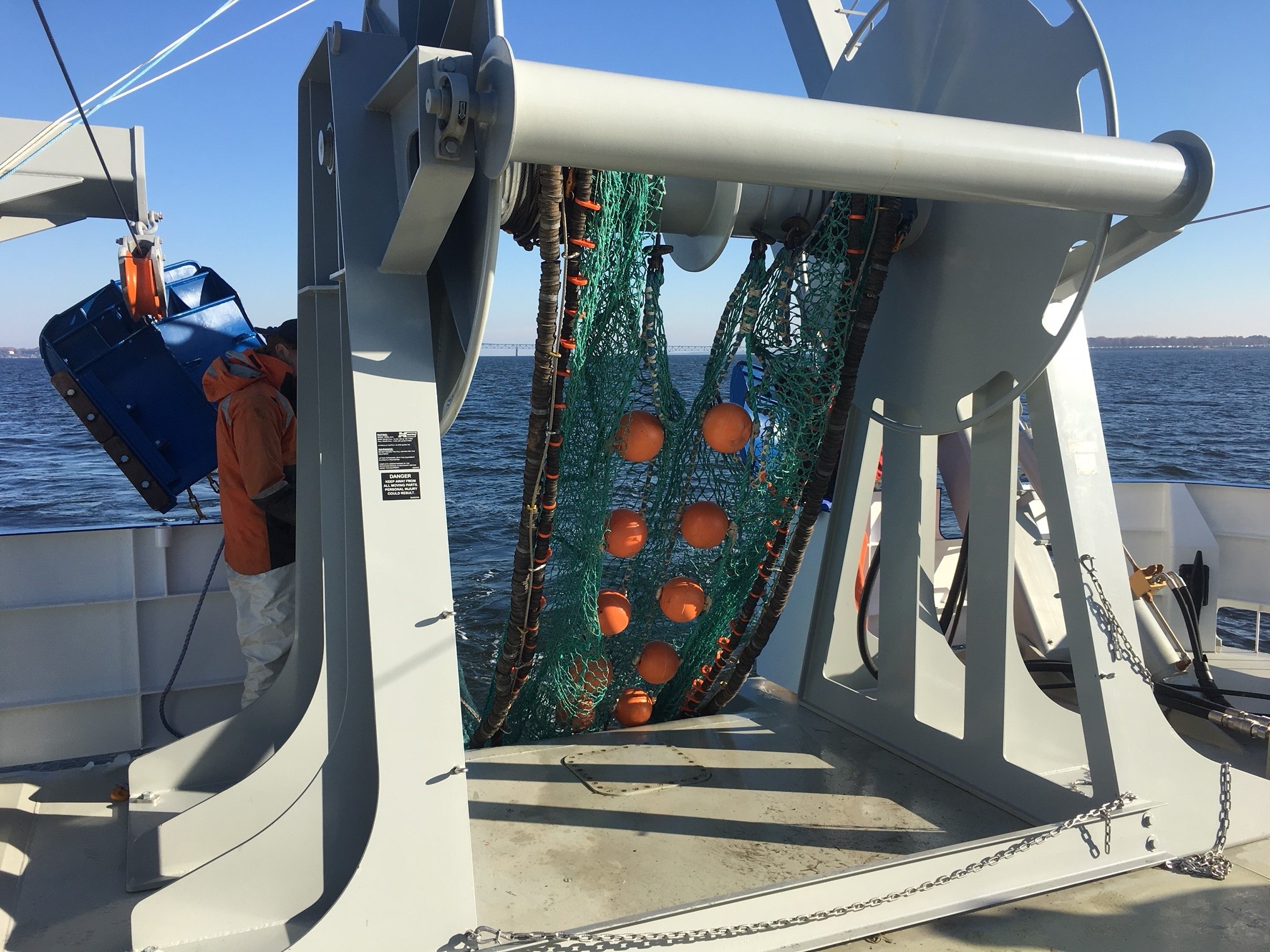
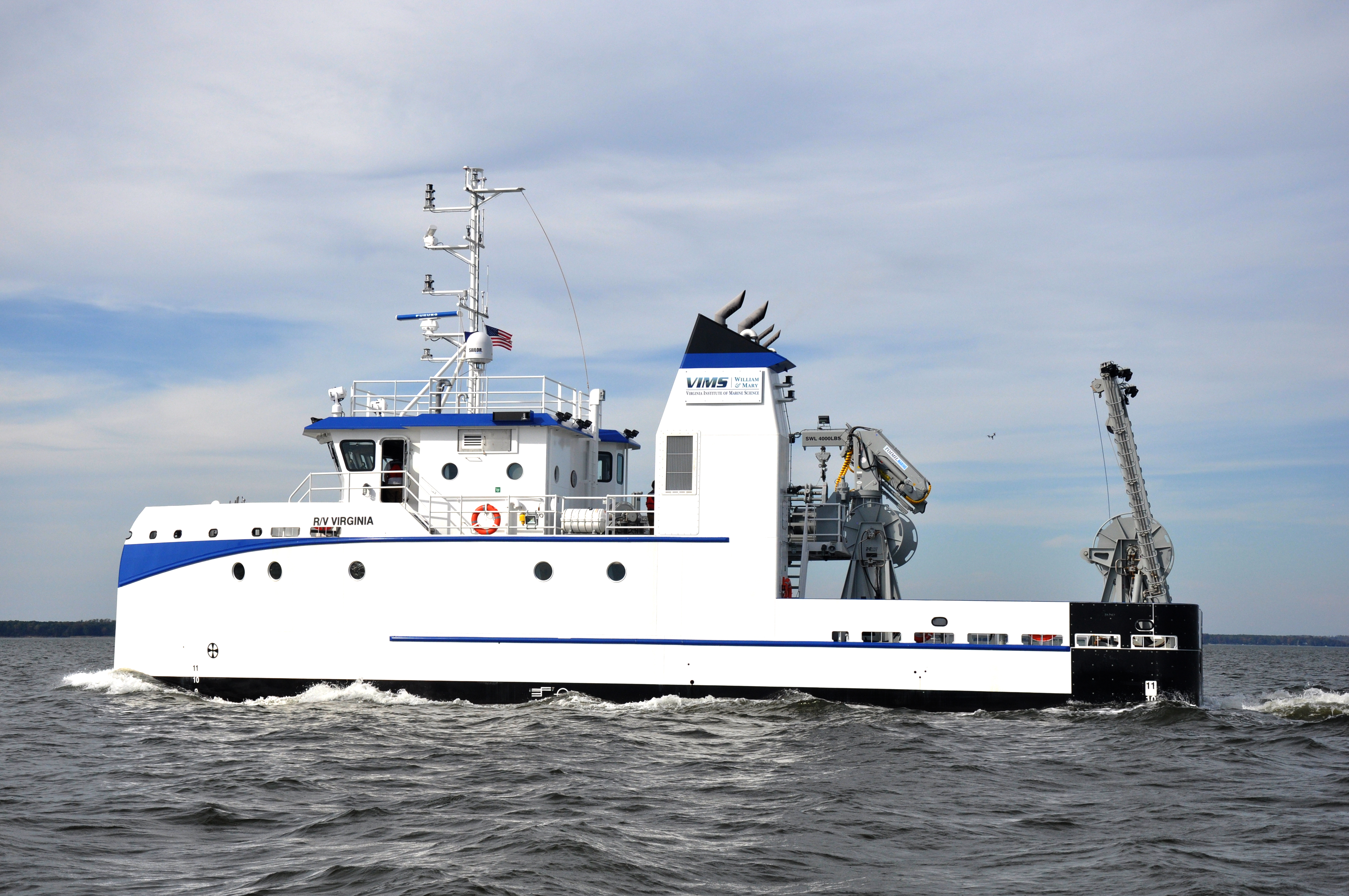
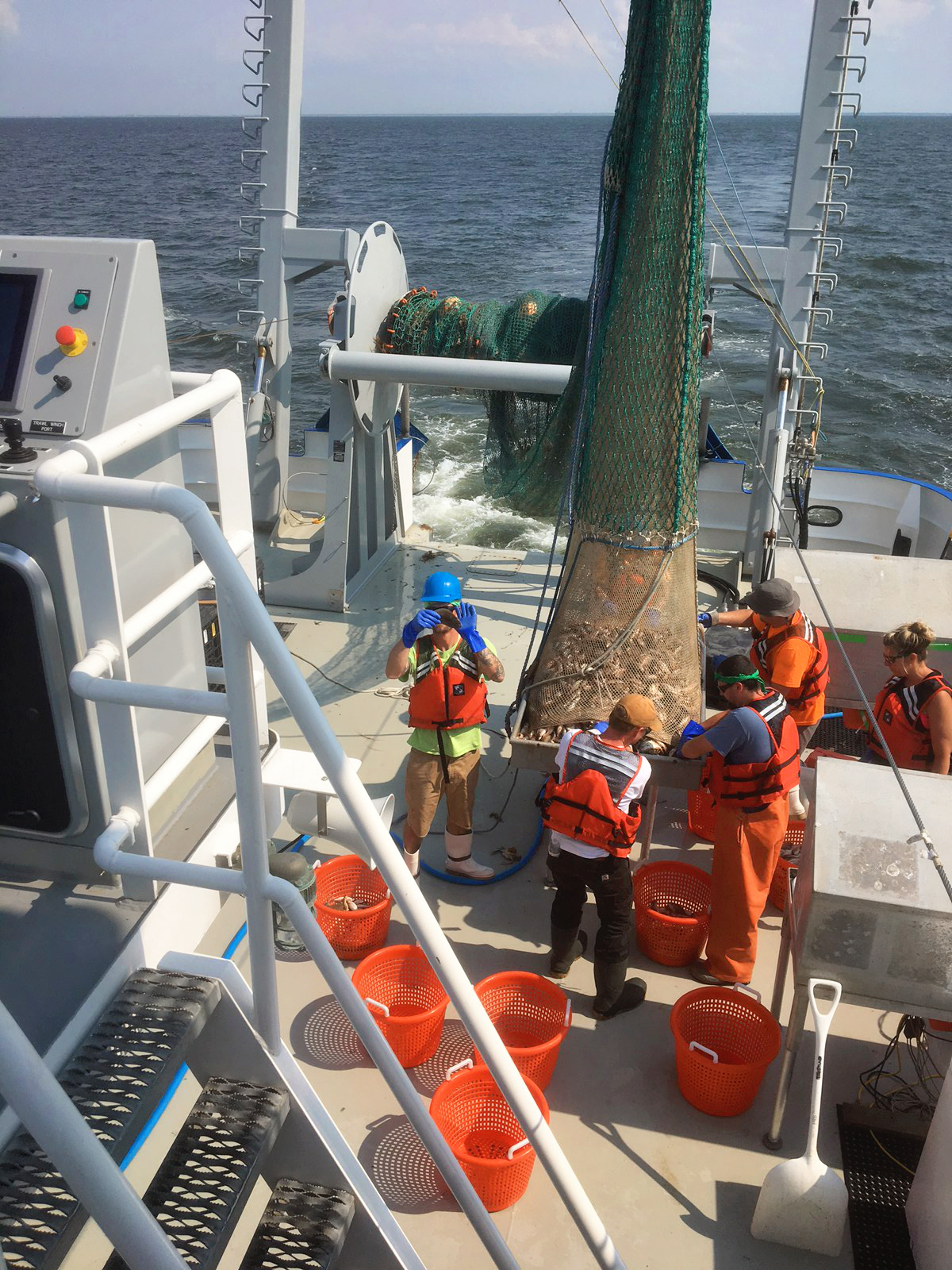
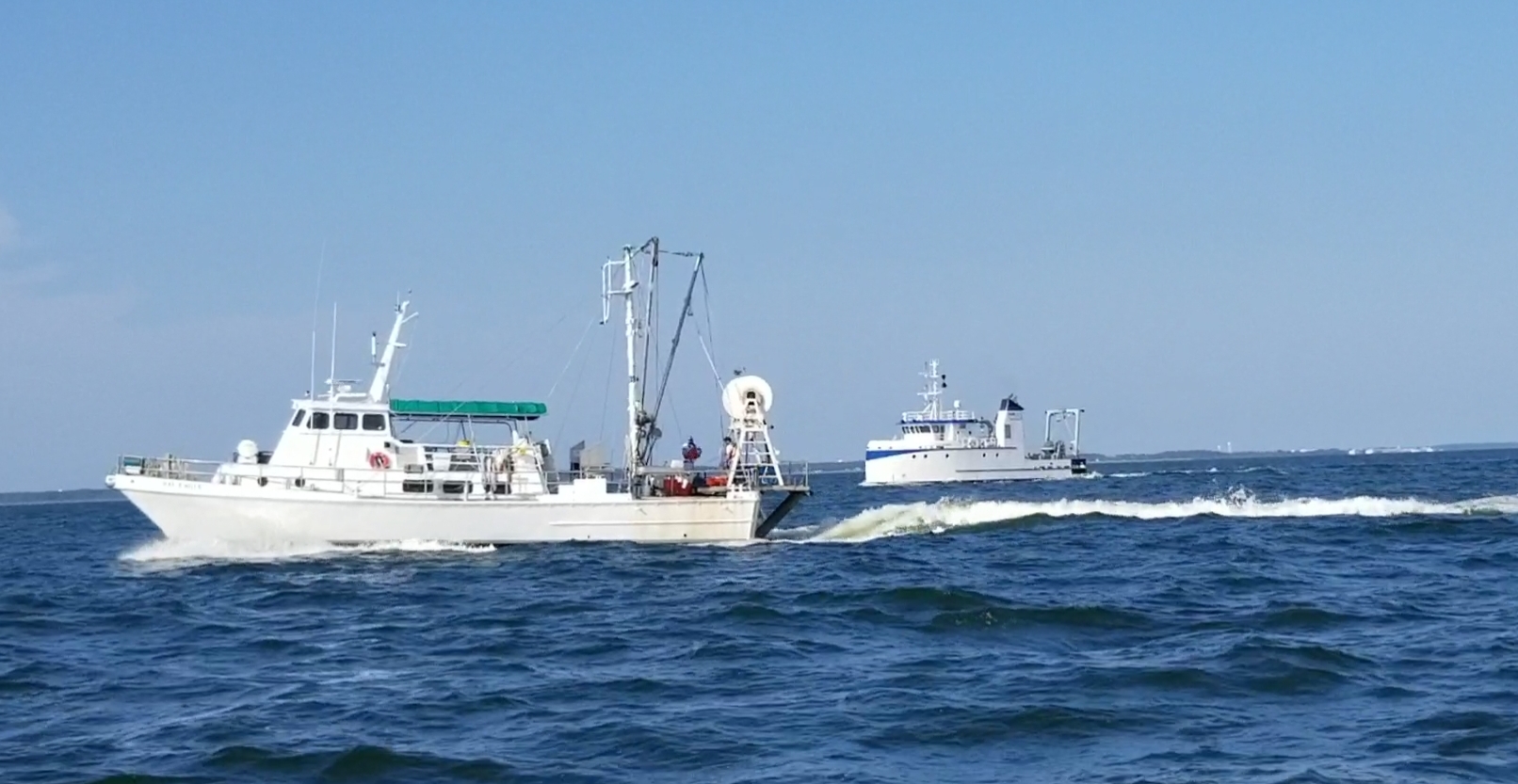
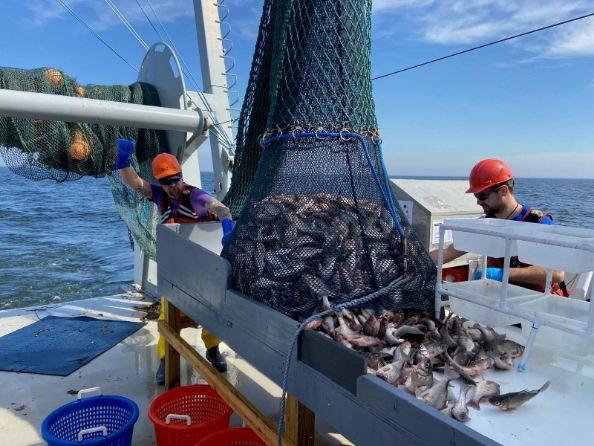

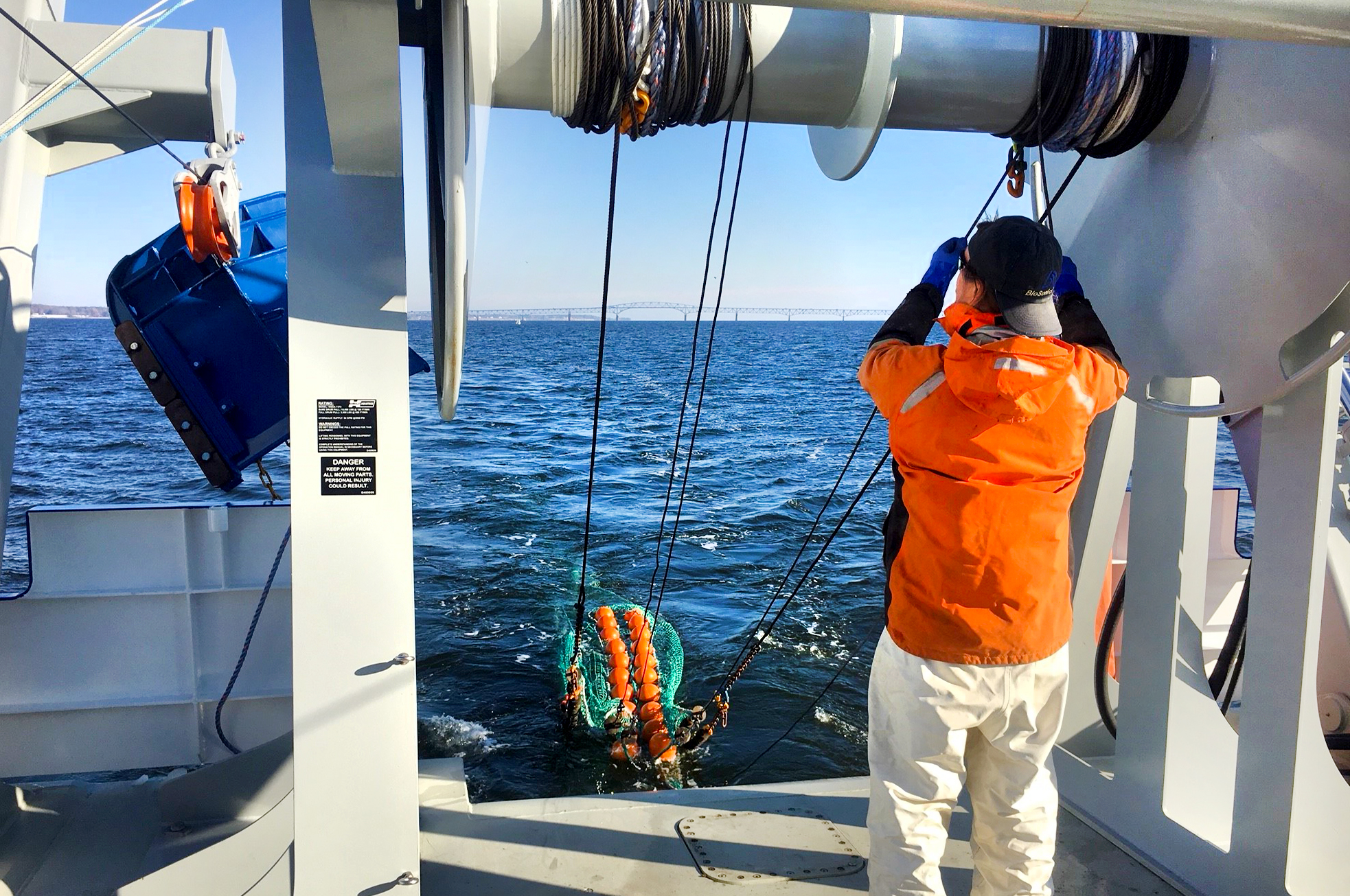
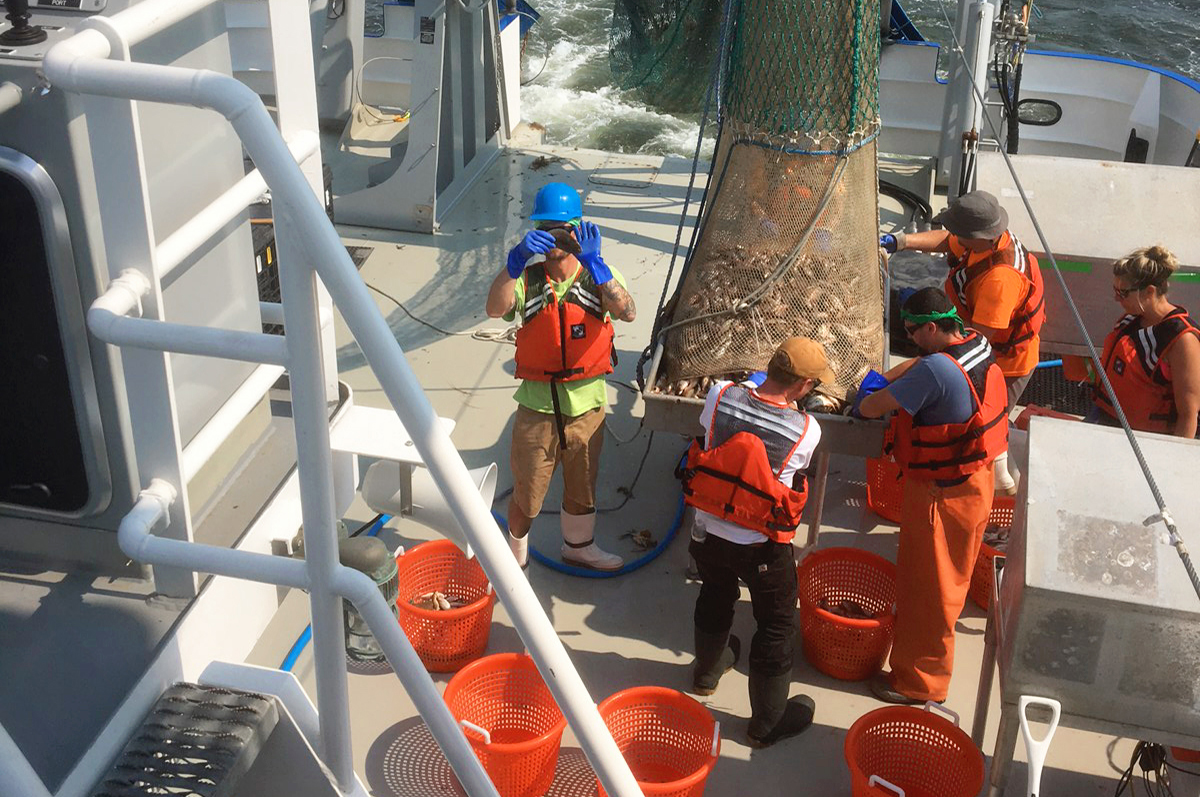
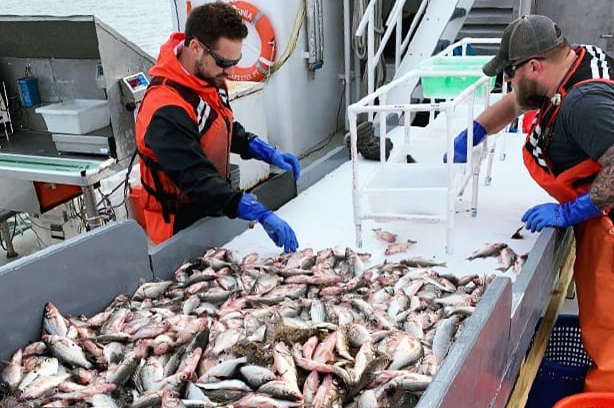
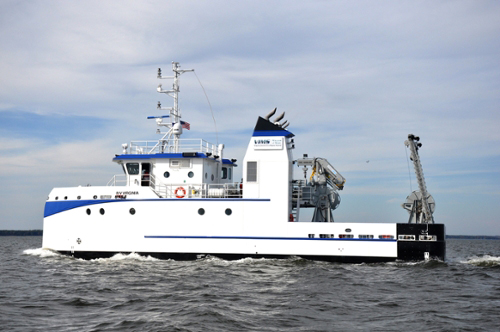
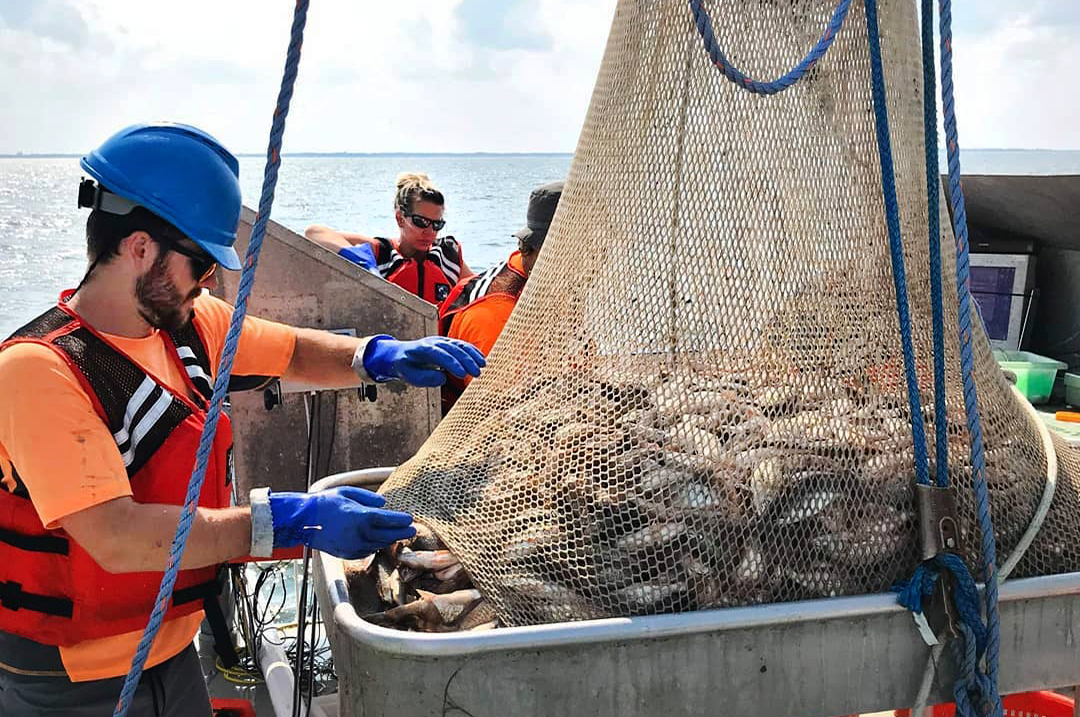
The Chesapeake Bay Multispecies Monitoring and Assessment Program, ChesMMAP, began in 2002 and was developed to assist in filling data gaps, and ultimately to support Bay-specific, stock-assessment modeling activities at both single and multispecies scales. ChesMMAP was designed to maximize the biological and ecological information collected for several recreationally, commercially, and ecologically important species in Chesapeake Bay. The survey uses a large-mesh bottom trawl to sample juvenile-to-adult fishes from the head of Chesapeake bay at Poole's Island, MD to the mouth of the Bay just outside the Chesapeake Bay Bridge Tunnel.
Survey Goals
|
Field Methods |
Abundance Indices** under construction ** |
Data UsesFishery-independent data resulting from the ChesMMAP Trawl Survey have been requested by stock assessment scientists for a variety of species. Specifically, ChesMMAP survey data are being used to guide the assessments for Atlantic croaker and black drum. In general, data categories are requested on a by-species basis. For example, bluefish assessments only incorporate ChesMMAP age data, while abundance, distribution, length, and age data are requested for striped bass assessments. Atlantic sturgeon abundance data has been supplied for ESA evaluation. Several additional ChesMMAP target species (ie--black drum, tautog) are recognized as potentially valuable for future assessments. An informal assessment of sheepshead data collected by ChesMMAP has been supplied to the Virginia Marine Resources Commission to support review of management regulations for this species in the Commonwealth, and summer flounder catch and length-frequency data have been used to support the liberalization of recreational harvest regulations. From the perspective of ecosystem-based multispecies modeling and management, ChesMMAP diet data have been used to support the development of a fisheries ecosystem model of Chesapeake Bay and a multispecies virtual population analysis of Atlantic menhaden along the U.S. east coast. These data have also been used to both formally and informally quantify the predatory impact of fishes on their prey (e.g., striped bass, weakfish, and bluefish consumption of menhaden; striped bass impact on blue crabs). It is expected that the inclusion of ChesMMAP diet data into multispecies efforts will increase as these relatively new assessment approaches continue to develop. Finally, ChesMMAP abundance and biological data for summer flounder were used to explore yield-per-recruit and egg-per-recruit analyses for this species under a variety of regulatory scenarios for the recreational fishery. In addition, the ChesMMAP platform supports external research and environmental consulting via filling biological sample requests conducted at sea as well as post-processing data requests. |
Reports |
FundingChesMMAP is currently funded through the Federal Aid in Sport Fish Restoration Program (commonly known as Wallop-Breaux) via the U.S. Fish & Wildlife Service, as well as matching funds from Virginia Marine Resources Commission and the Commonwealth of Virginia. |